
Universidad Latinoamericana
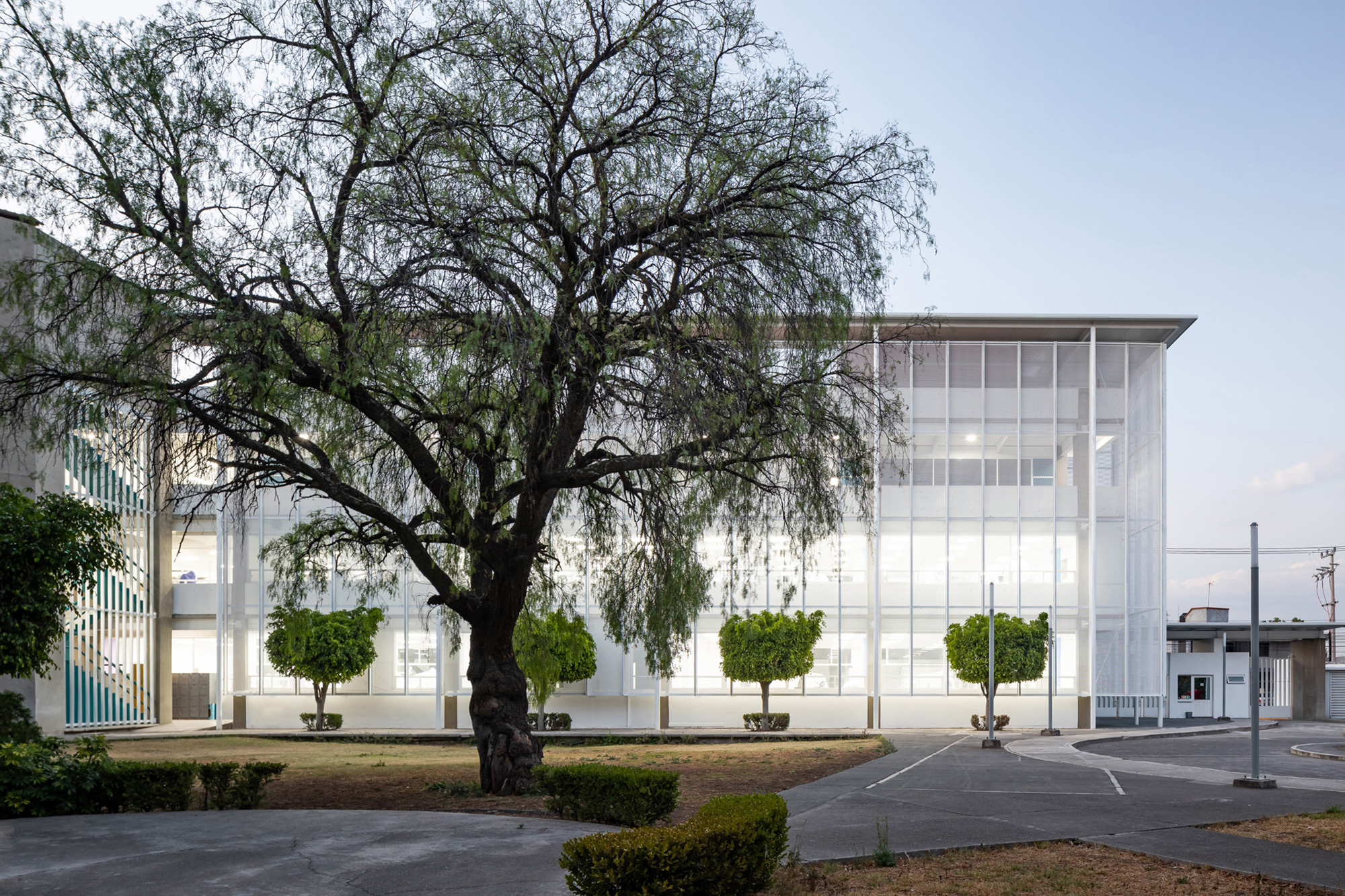
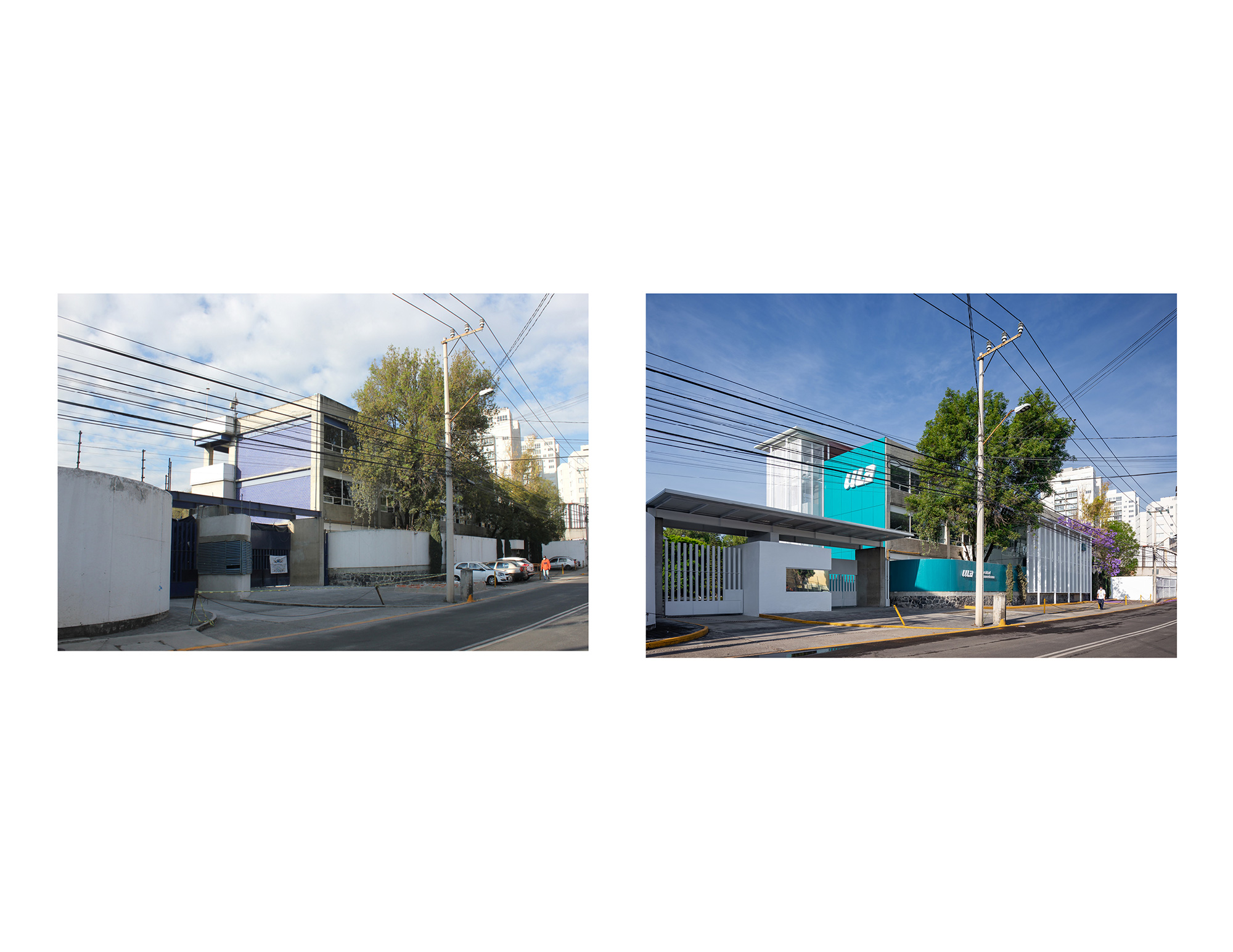
2021, Tlanepantla, Estado de MéxicoThe project proposes a comprehensive strategy to recover a campus that had originally been abandoned. This condition presented a significant opportunity: to make use of an existing infrastructure, conceived from the outset as an educational space, and adapt it to a new model of thinking aligned with our time.
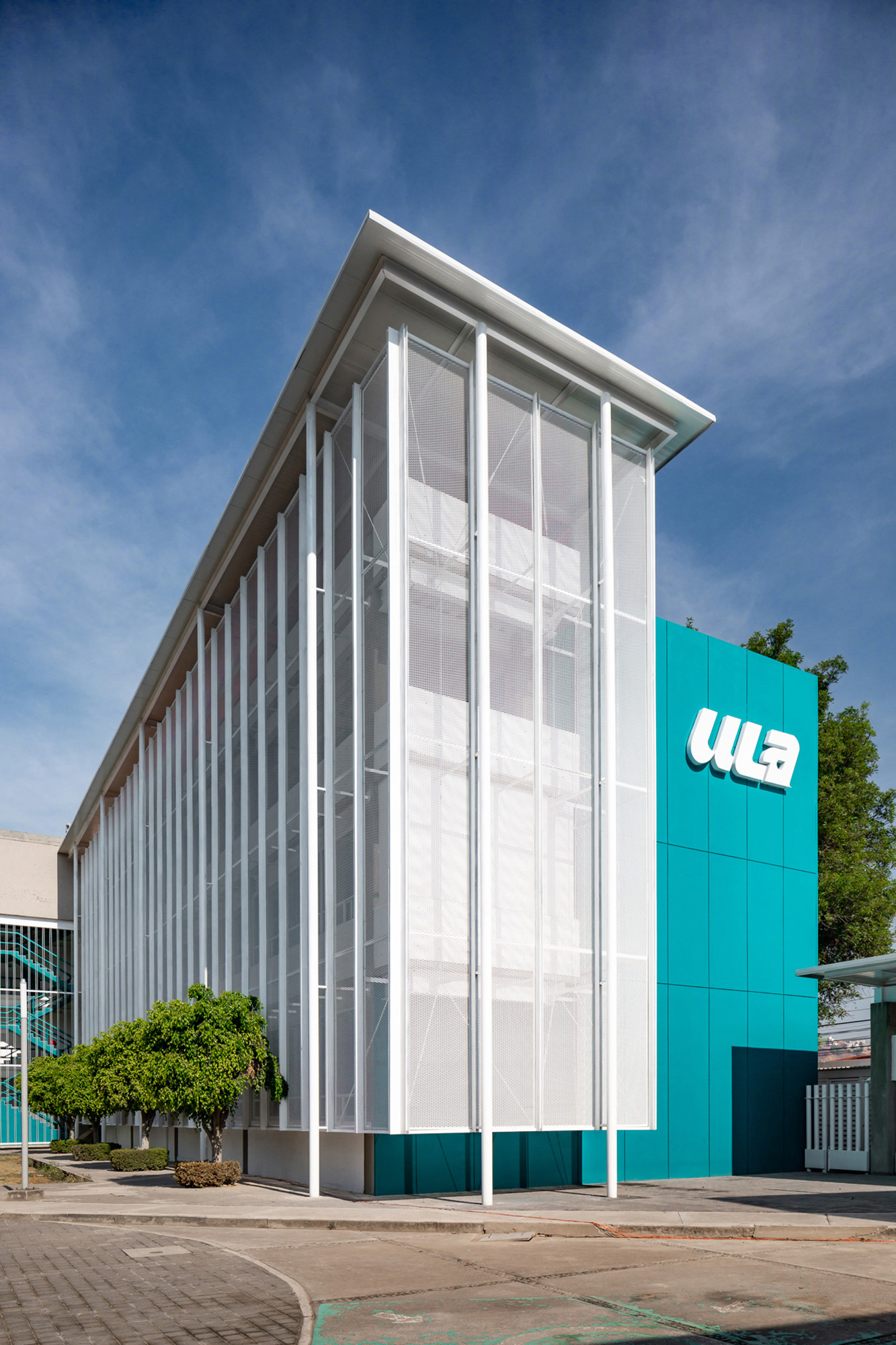
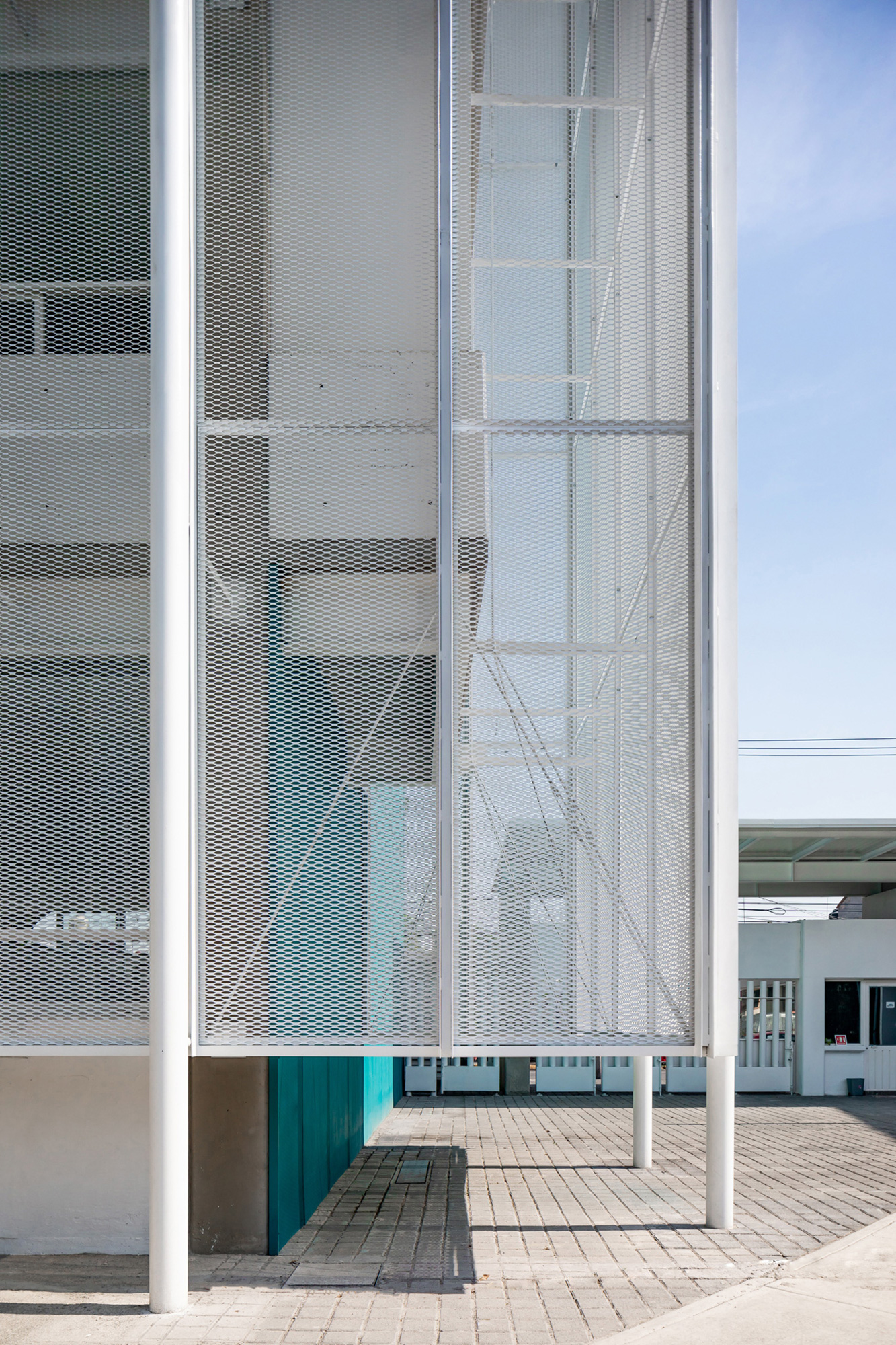
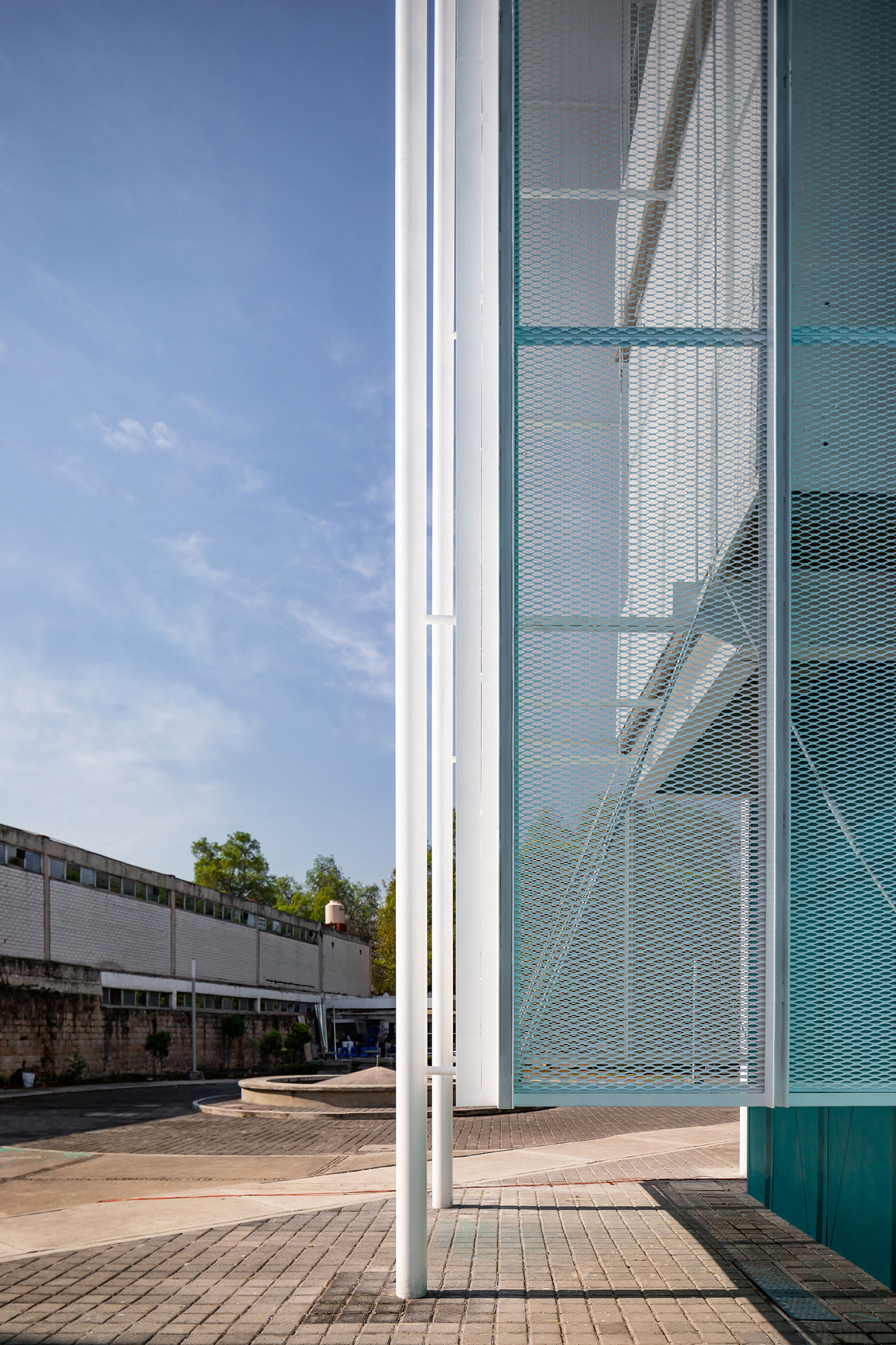
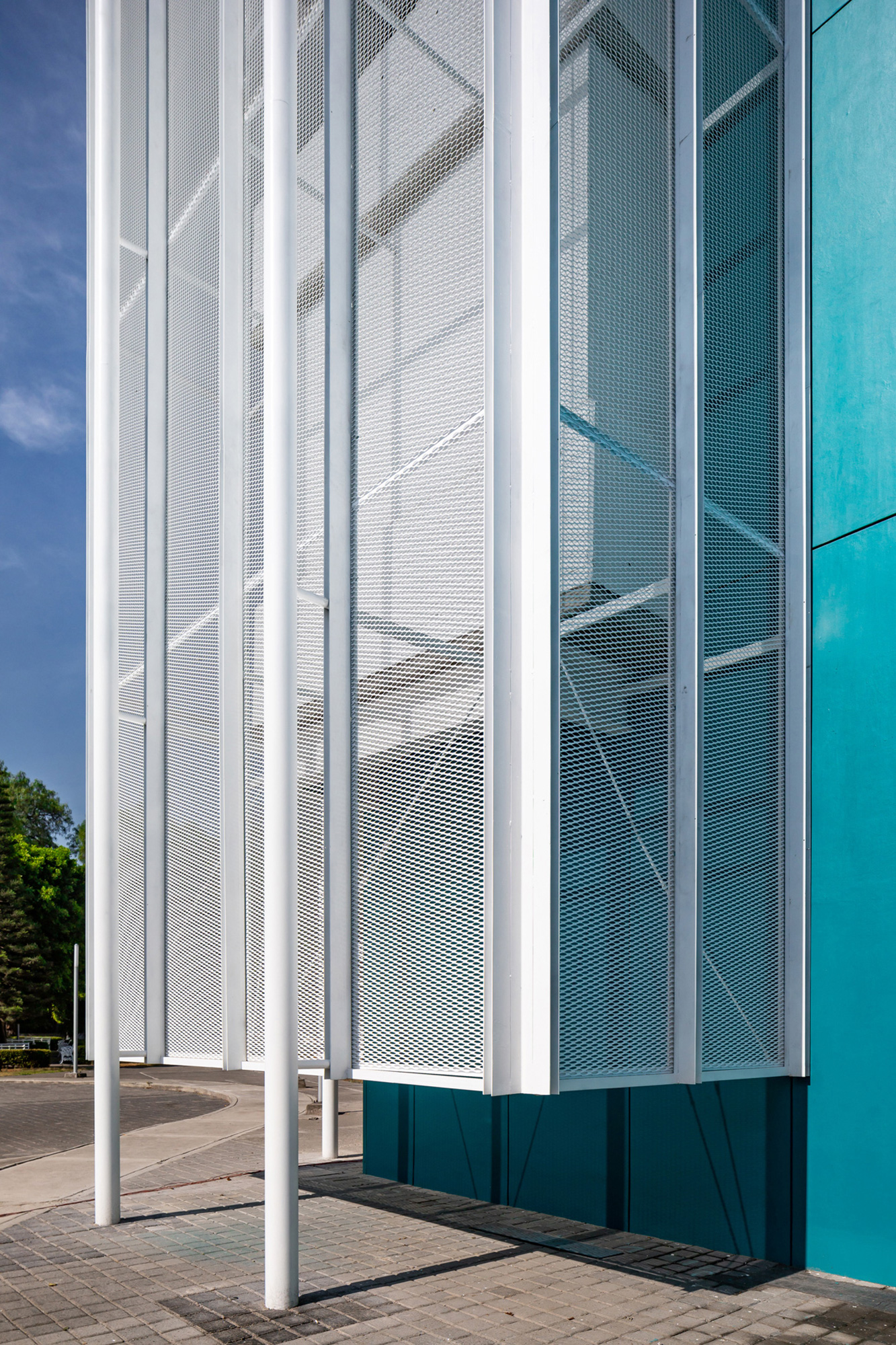
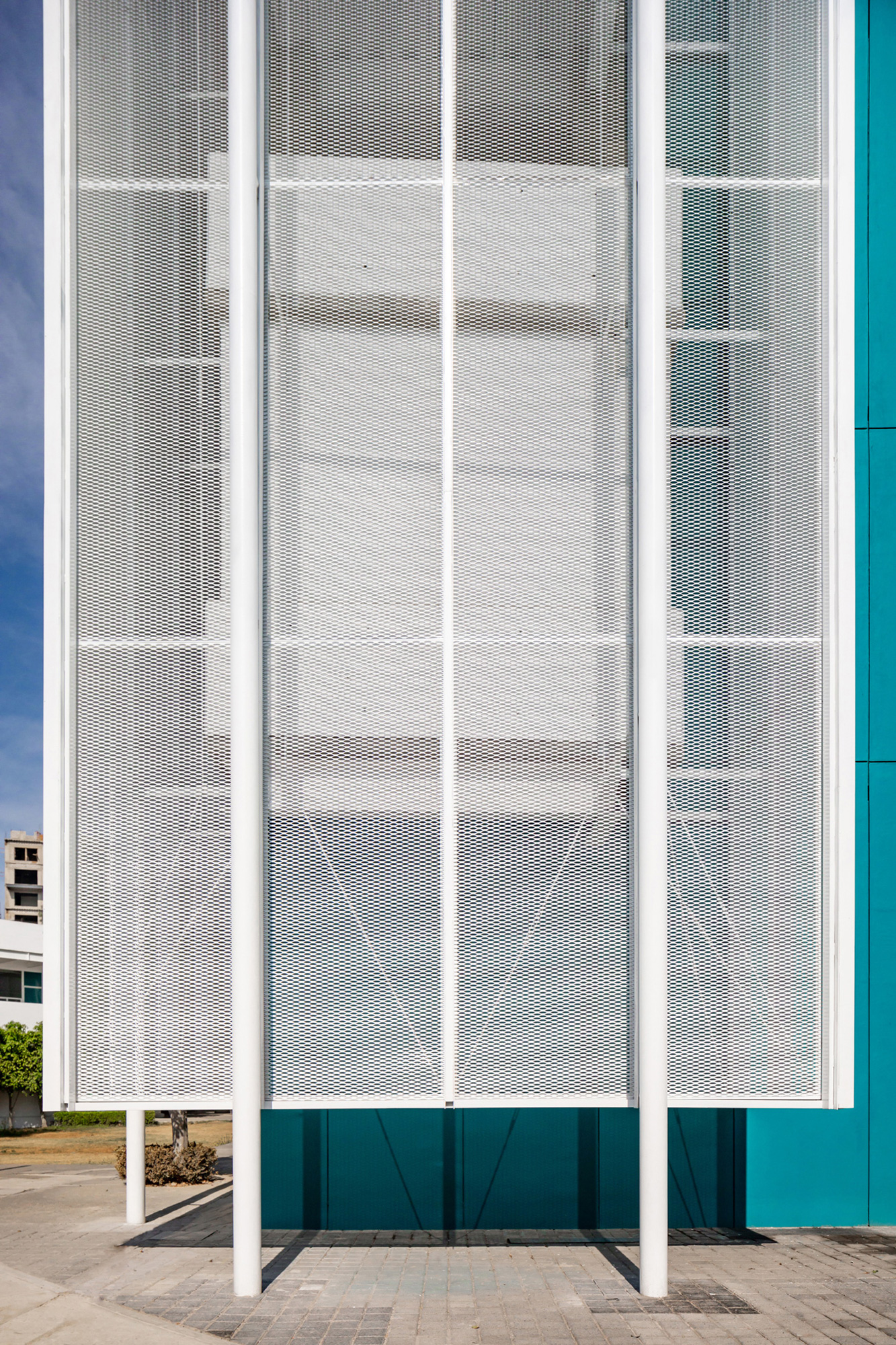
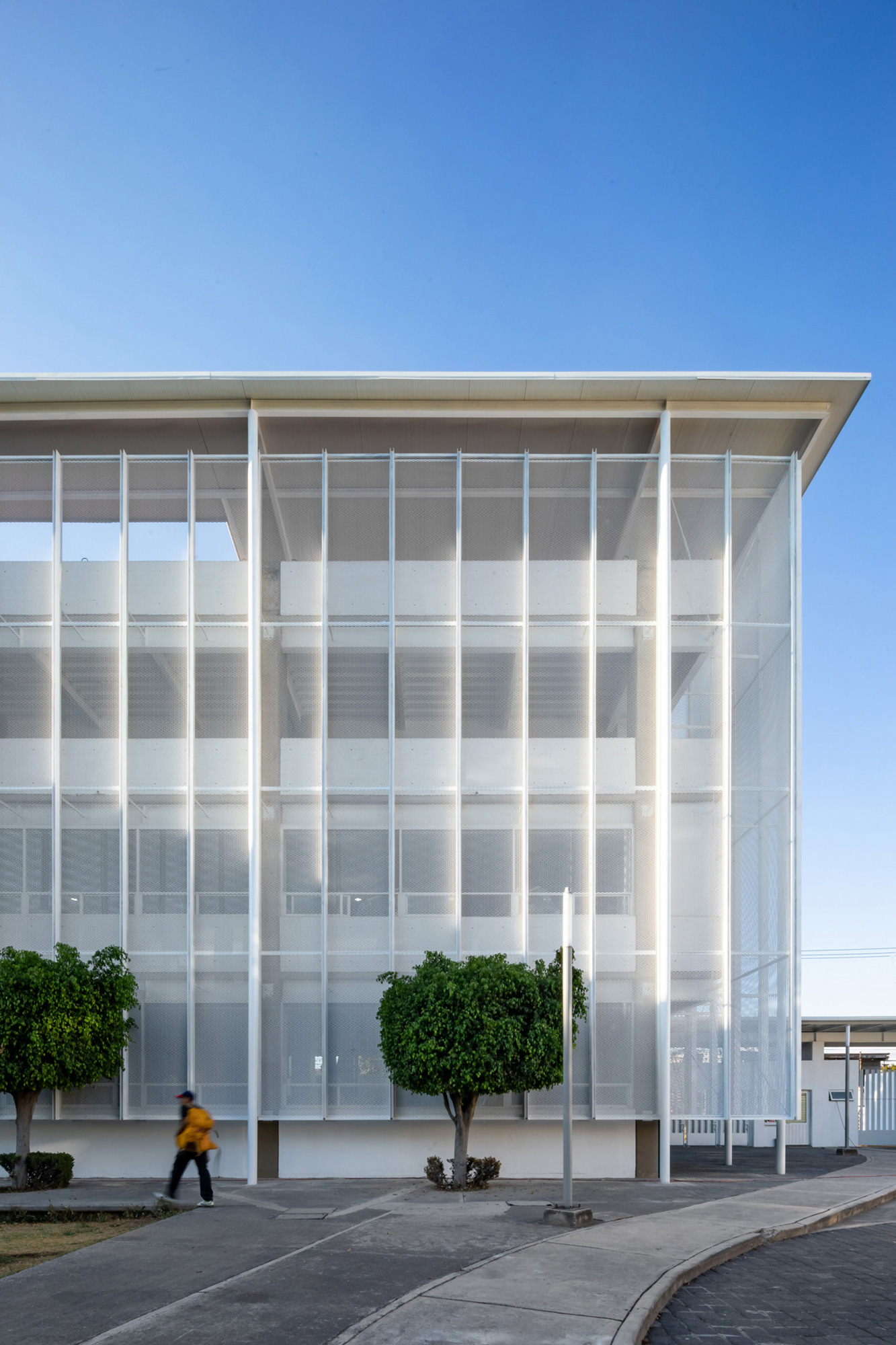
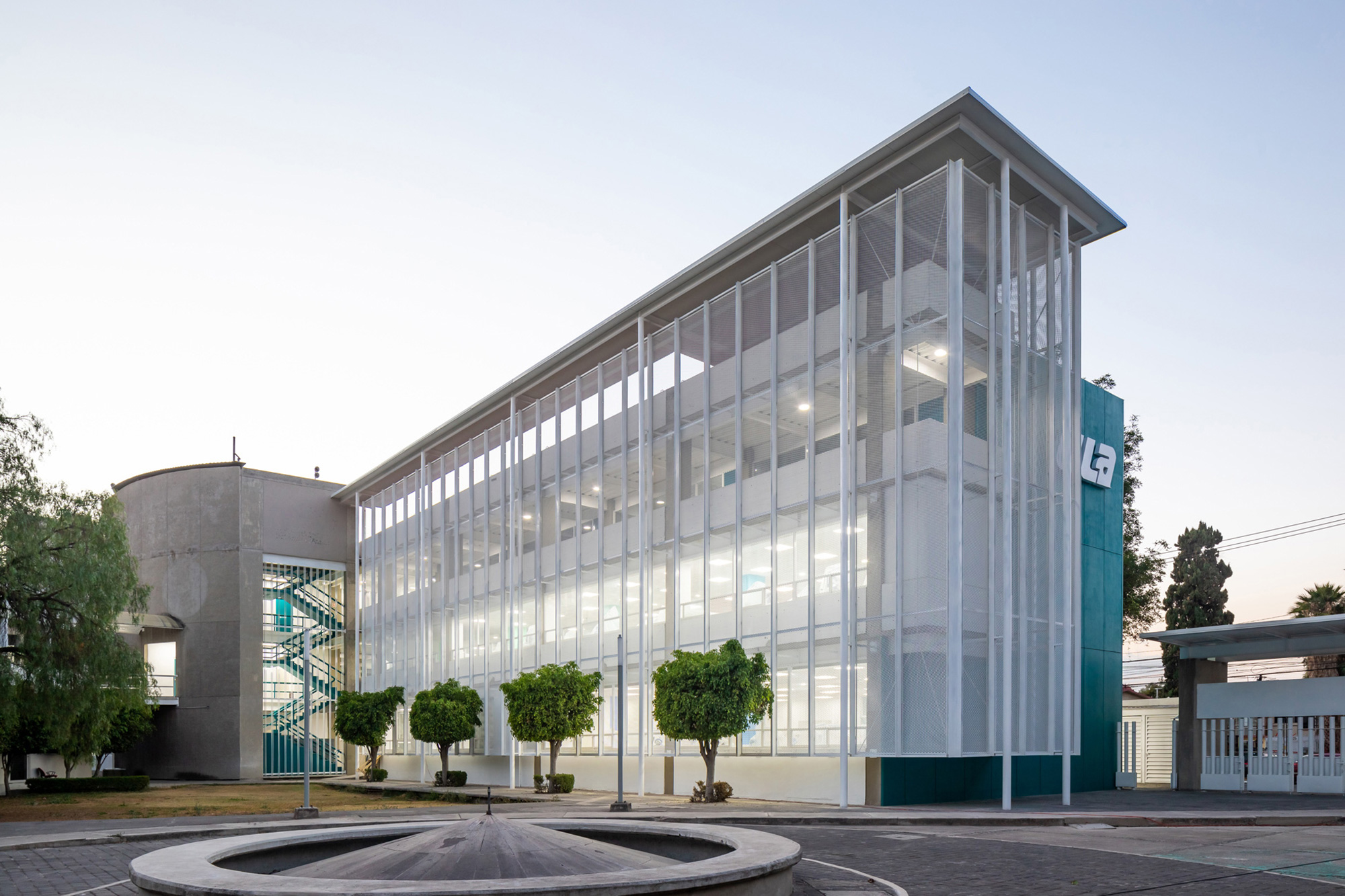
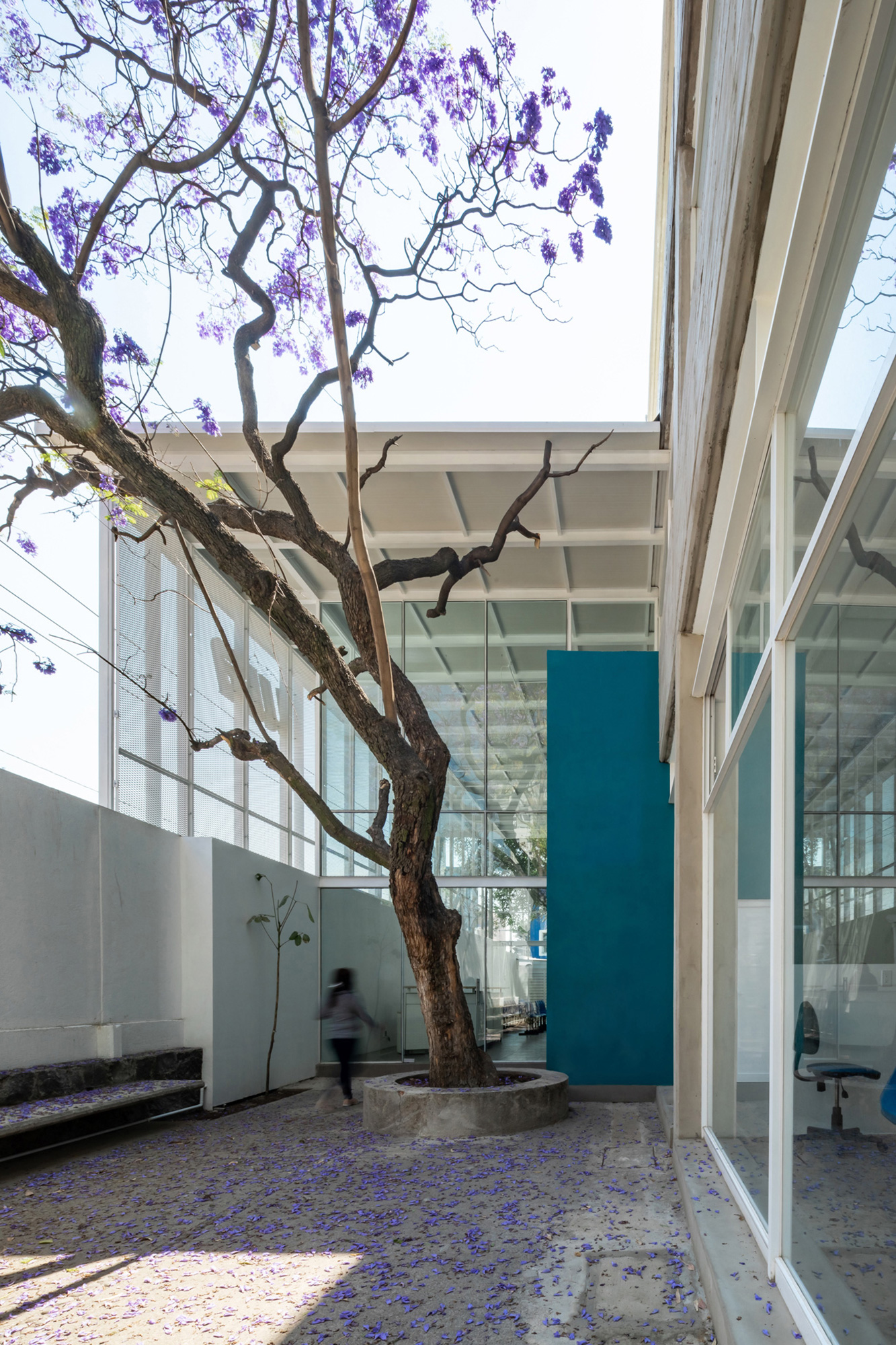
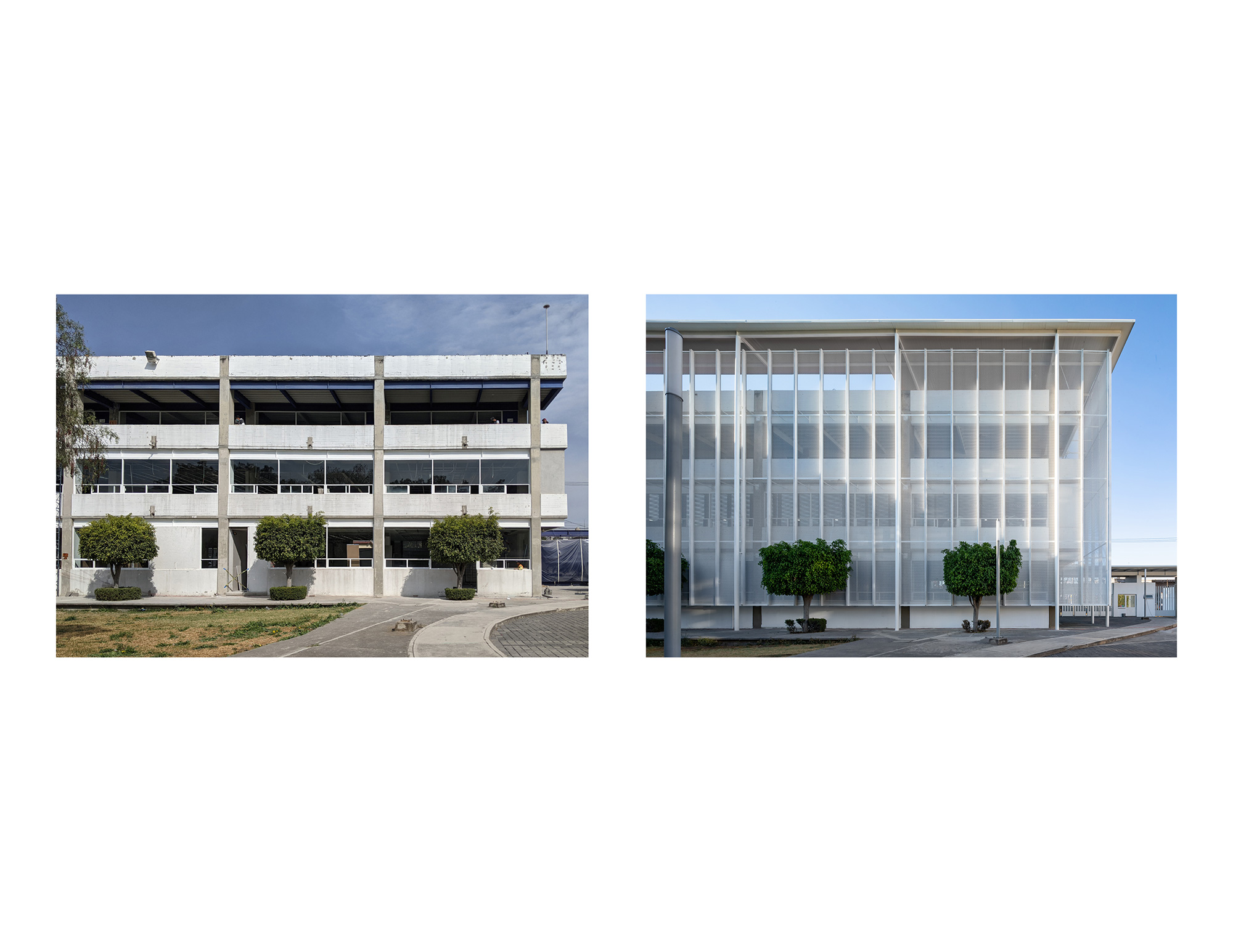
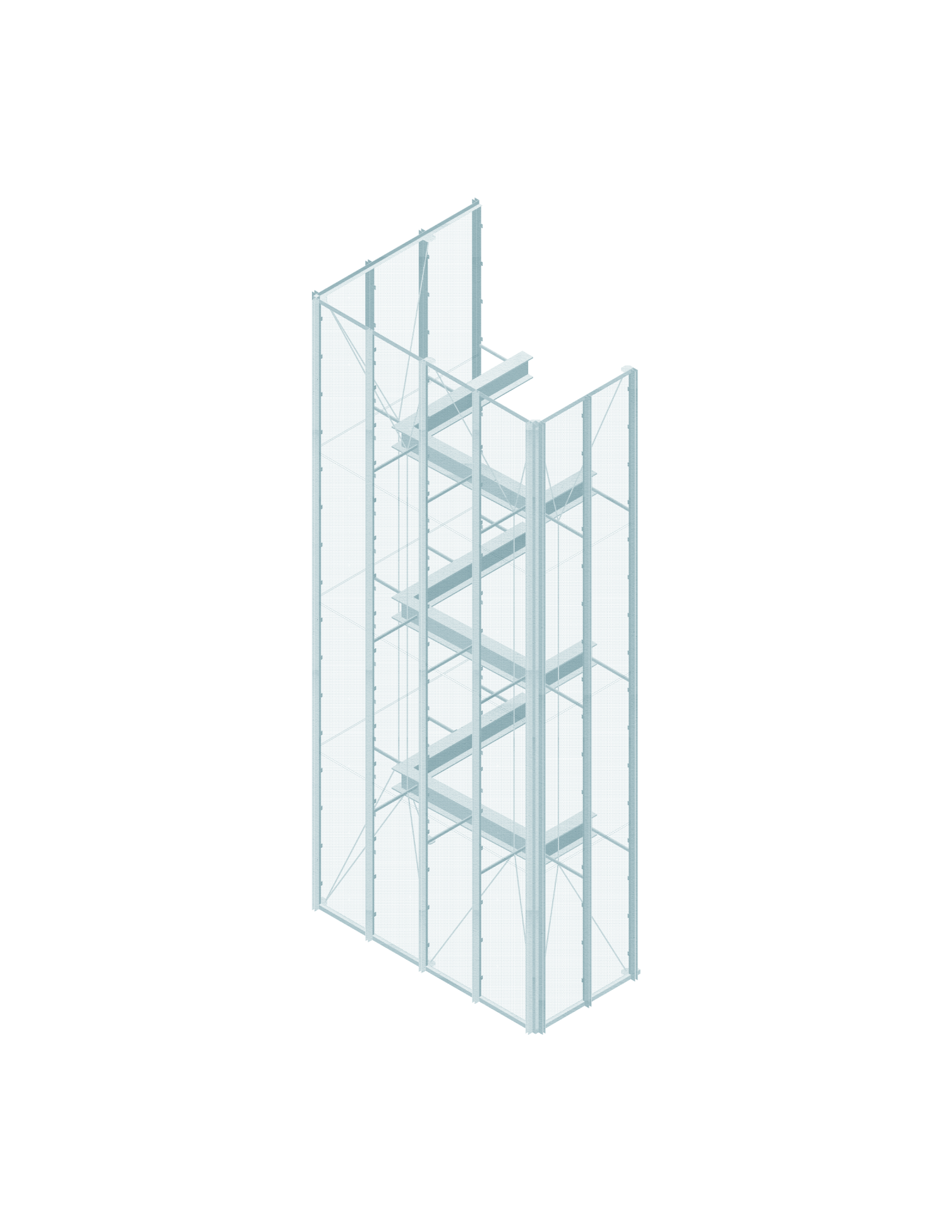
The original building, oriented from east to west, presented a design deficiency related to solar exposure. Its corridors and windows, facing directly south, lacked any element capable of providing the necessary shade to create an adequate environment. From this condition, the proposal introduces an architectural element capable of protecting these critical spaces from the sun, which are essential to the operation of the campus. The intervention consists of a new lightweight façade that performs a bioclimatic function while also giving the existing building a renewed and fresh image.
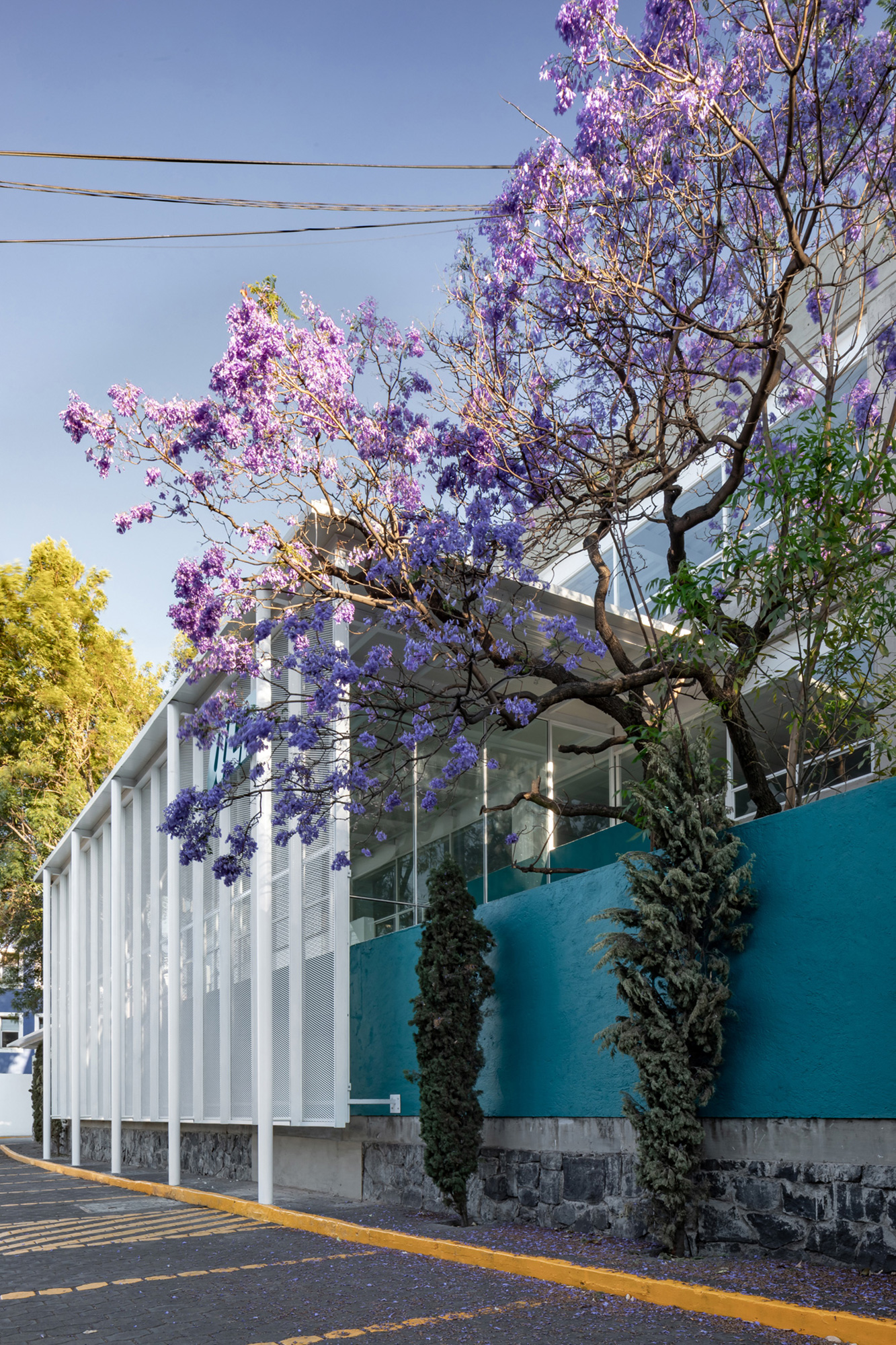
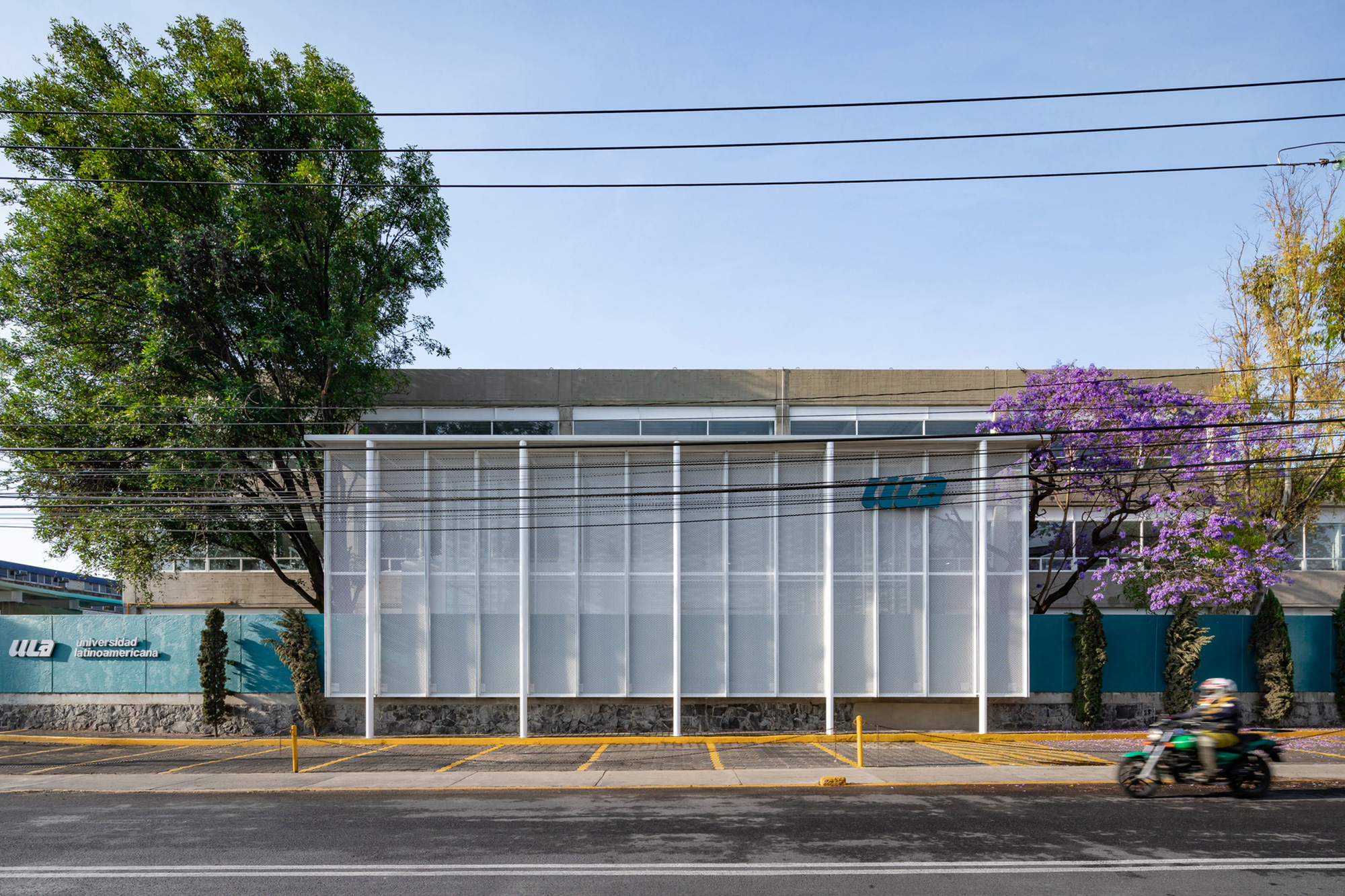
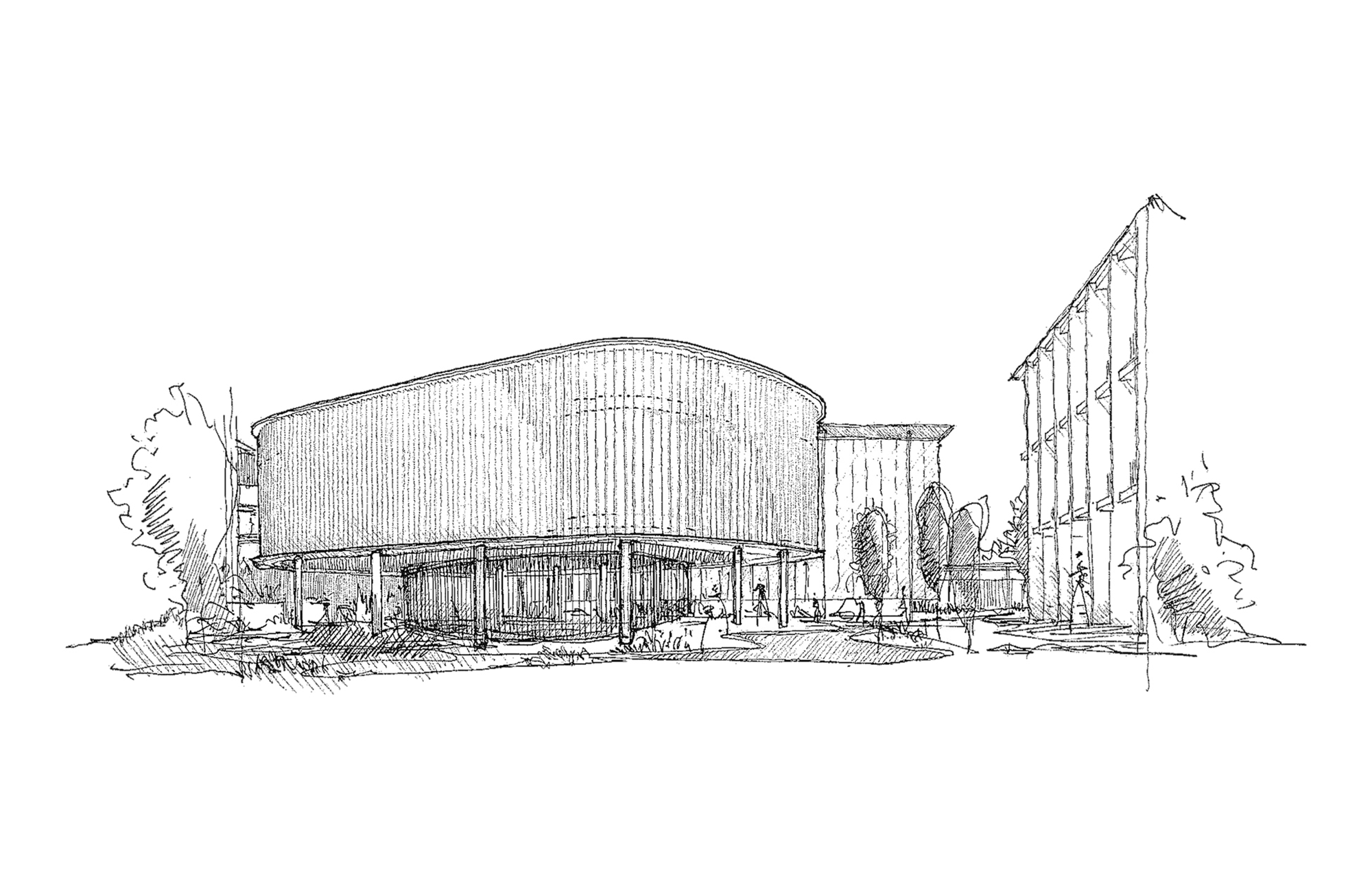
The façade facing the street and the main entrance were also studied, where the need to replace the roof over the patient care area was identified. This roof was completely deteriorated and no longer responded to the spatial quality required for a clinic open to the public. Taking the design criteria of the lightweight façade on the south side as a starting point, this architectural element is repeated to complete the overall vision of the university and strengthen its relationship with the street and public space.
Credits
Architecture: Bernardo Quinzaños, Begoña Manzano, Santiago Velez
Collaborators: Begoña Manzano, Santiago Velez, Miguel Izaguirre, Florencio de Diego, Lorenza Hernandez, Javier Castillo.
Client: Lottus Education
Constructor: Estructura, CCA ID
Other Specialists: AICO
Photography: Onnis Luque