
Shala
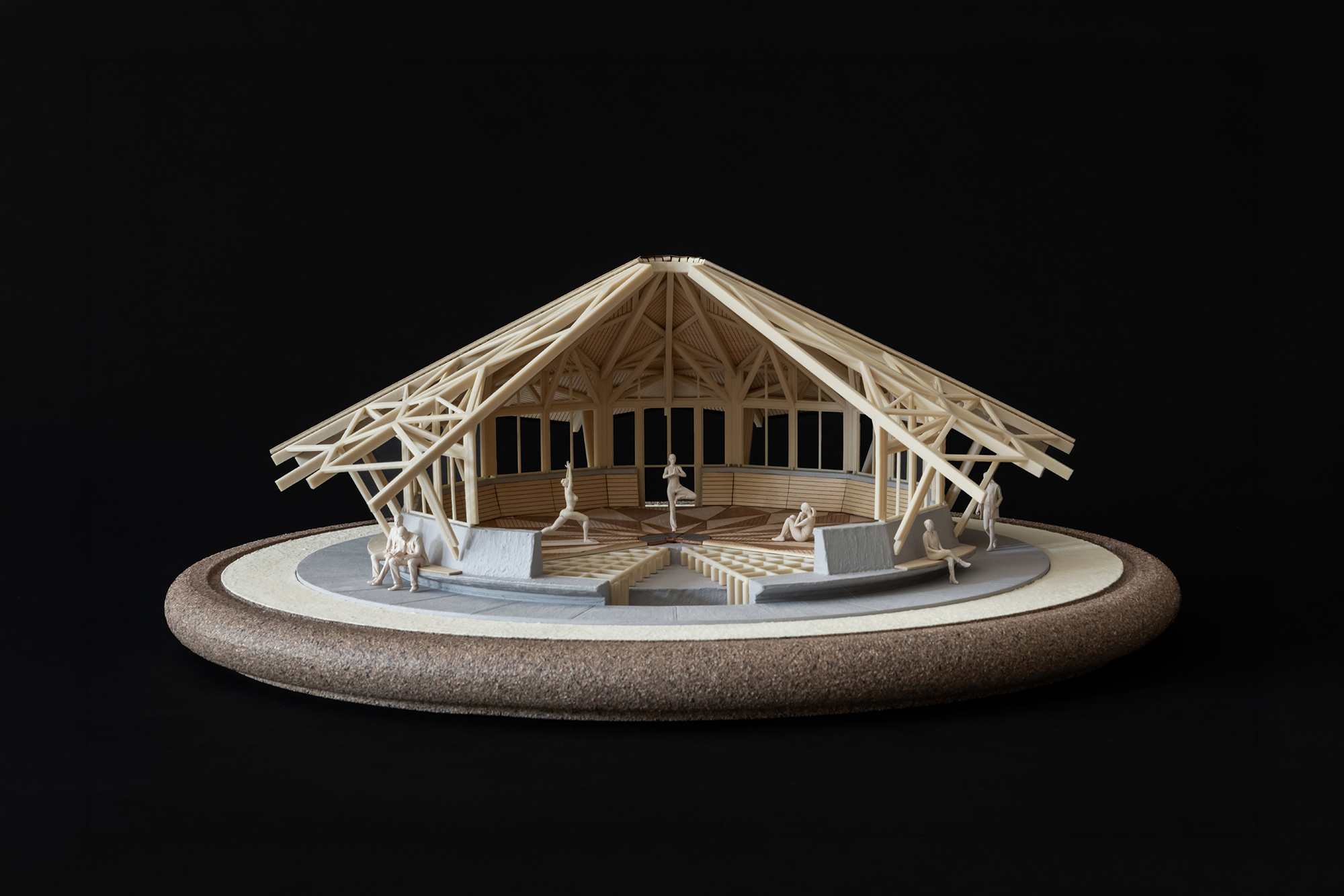
2026, San Miguel de AllendeShala is conceived as a space for transformative experiences: meditations, ceremonies, introspective gatherings, and sensory practices capable of expanding perception. In response to an open and diverse program, the architecture avoids imposing a specific symbolism and instead operates as an ecumenical container: neutral, receptive, and deeply atmospheric.
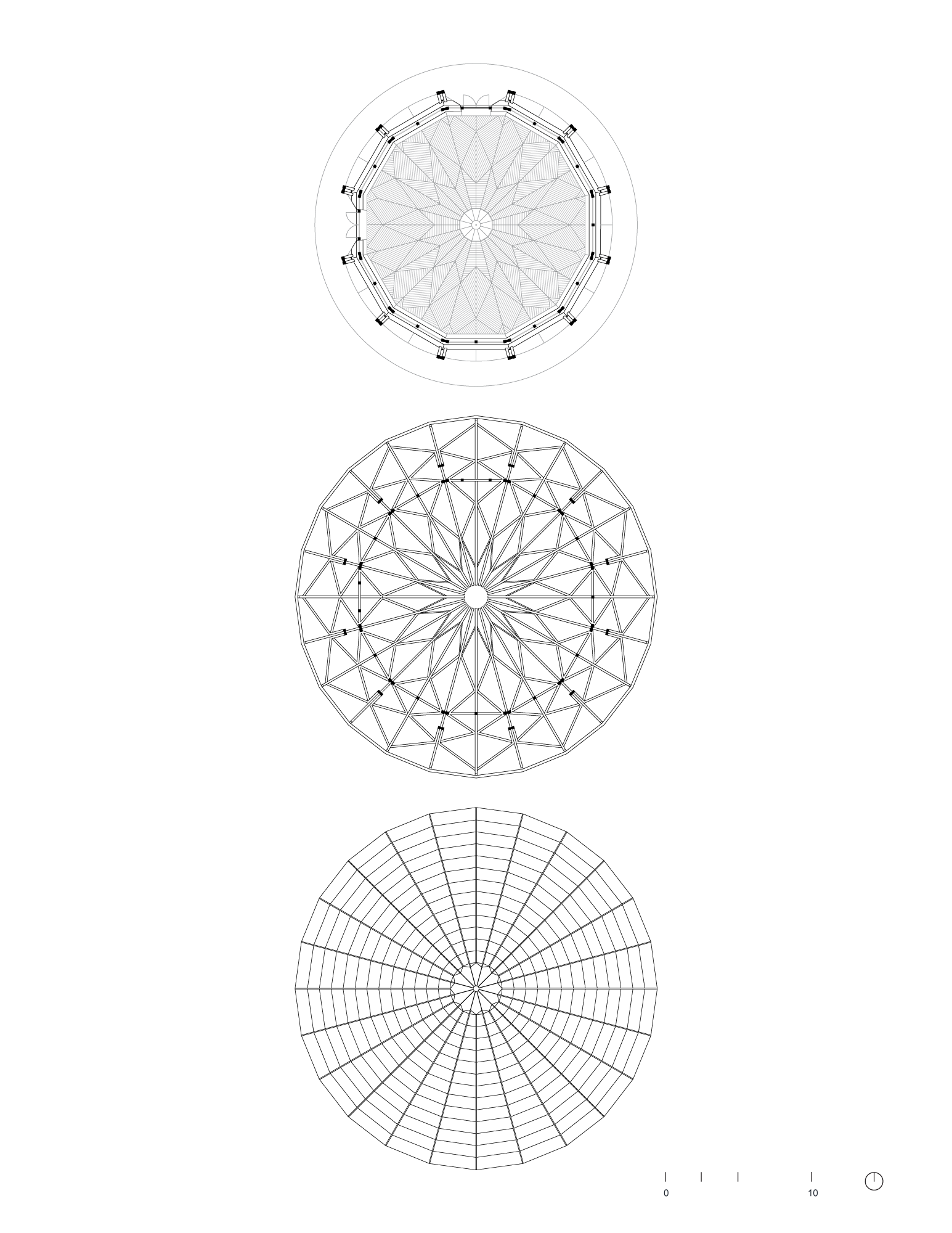
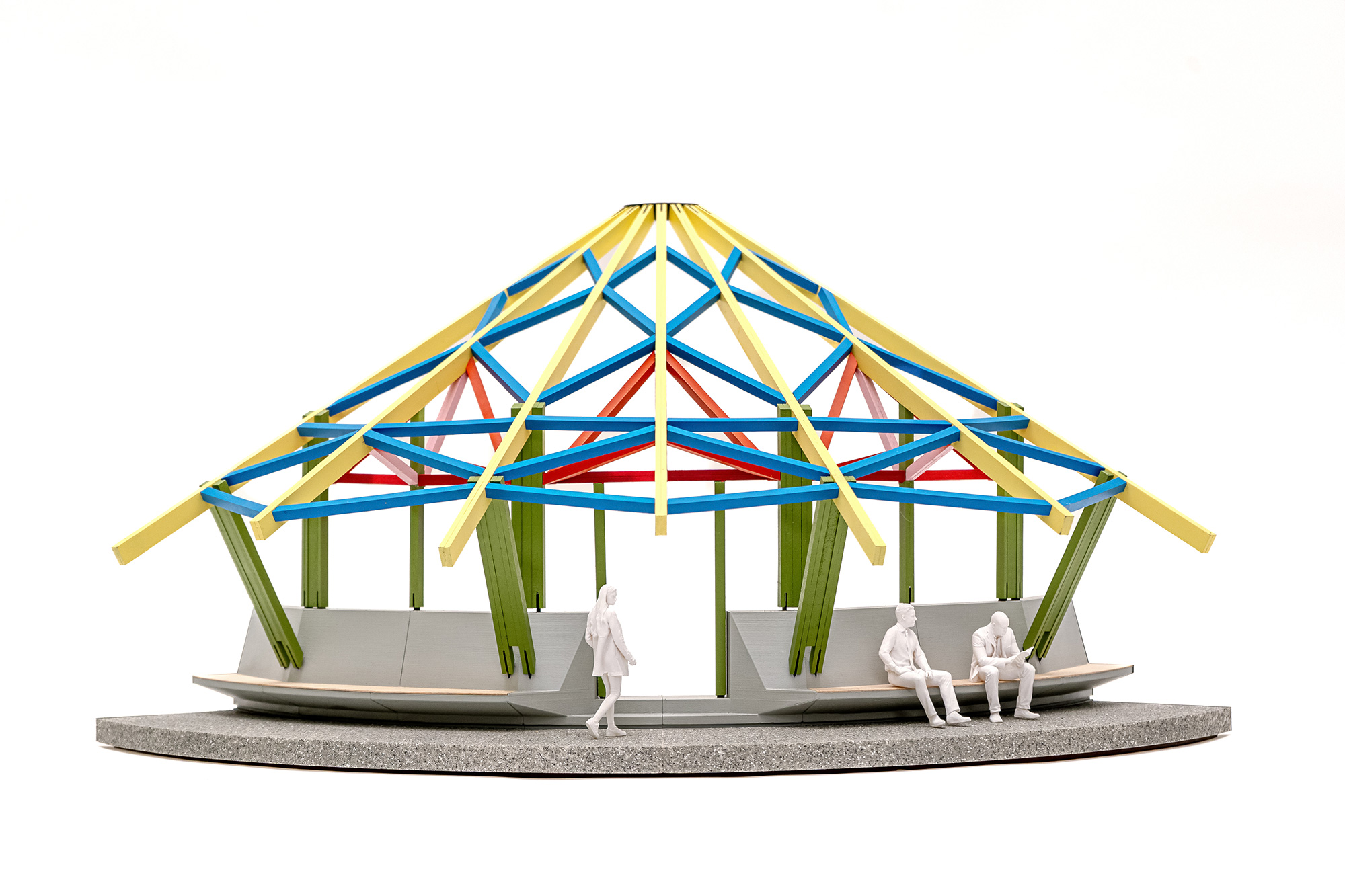
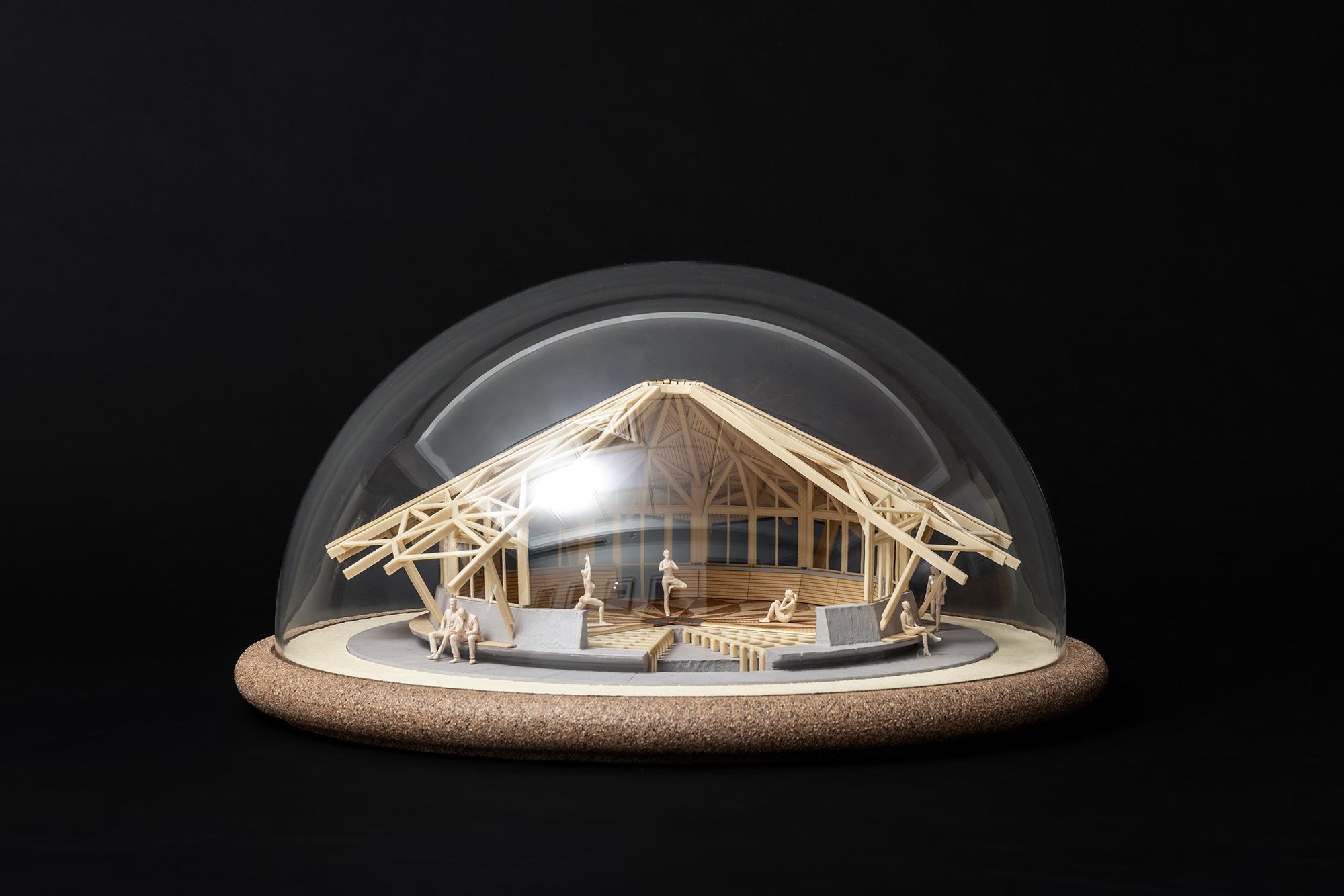
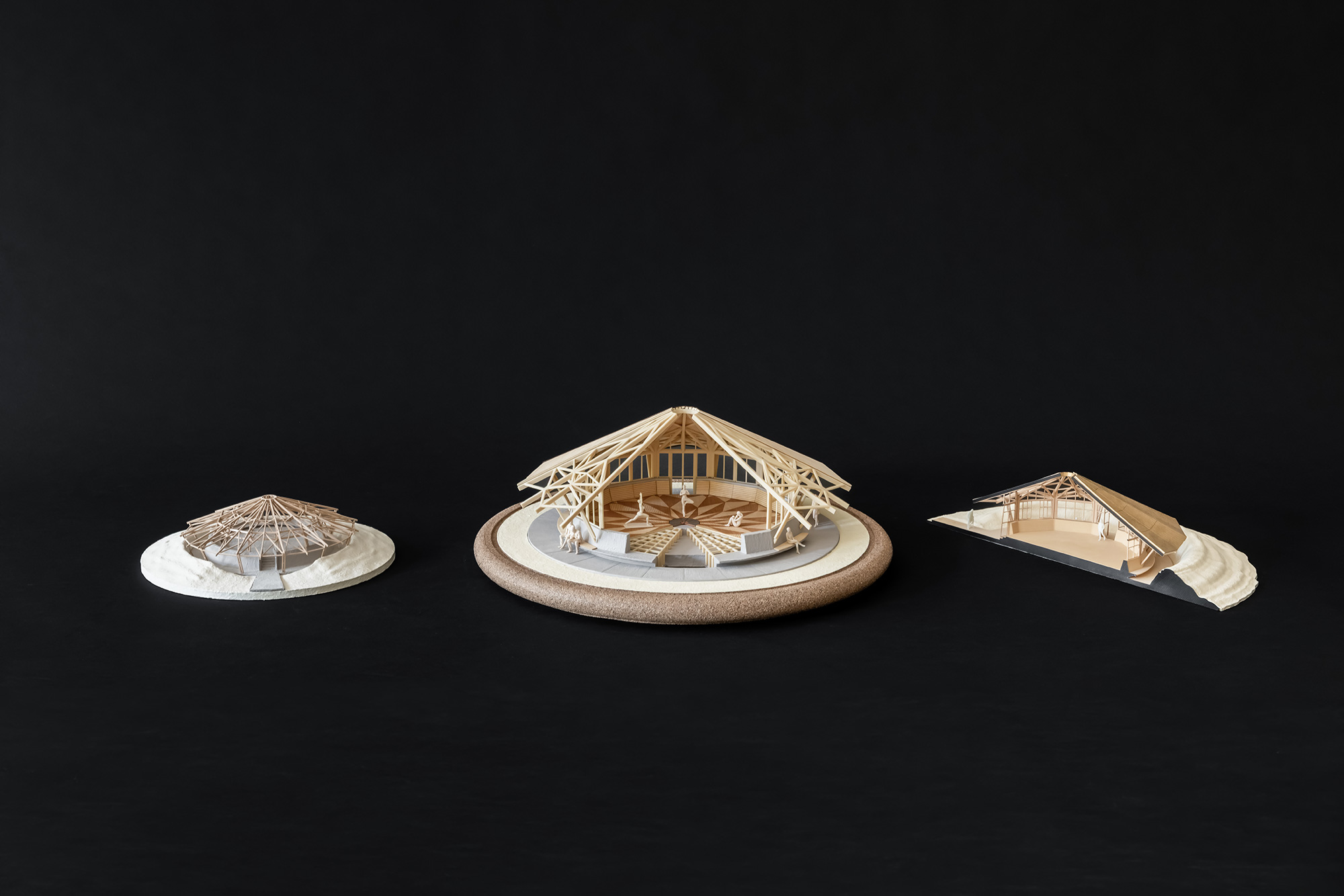
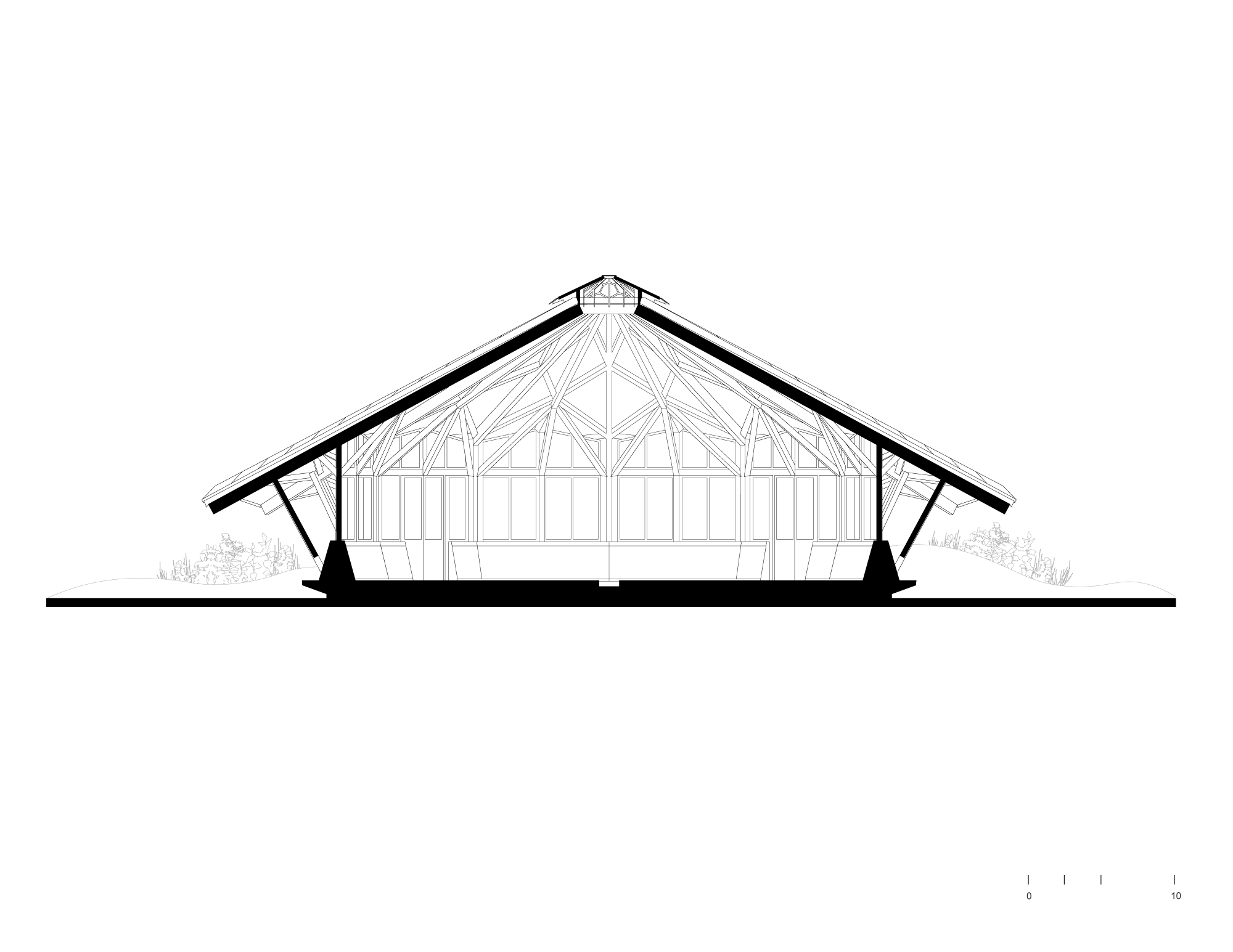
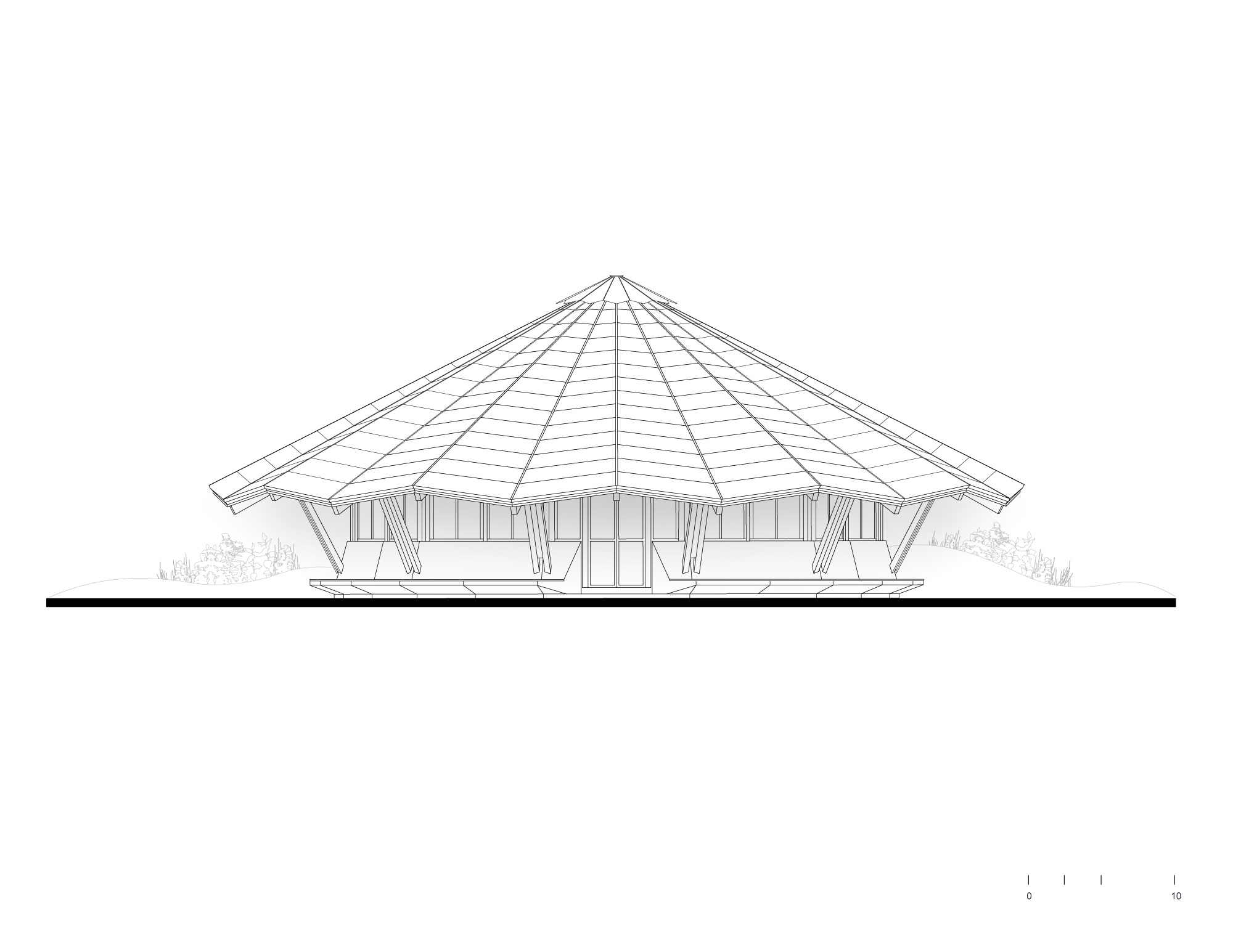
Its conceptual origin lies in mathematics and sacred geometry. The number 12 organizes the project and gives shape to a dodecahedron, precisely oriented in relation to the cardinal axes and the Earth’s magnetic field. The structure unfolds into twelve triangulated segments, resolving stability, efficiency, and spatial expression as a single system.
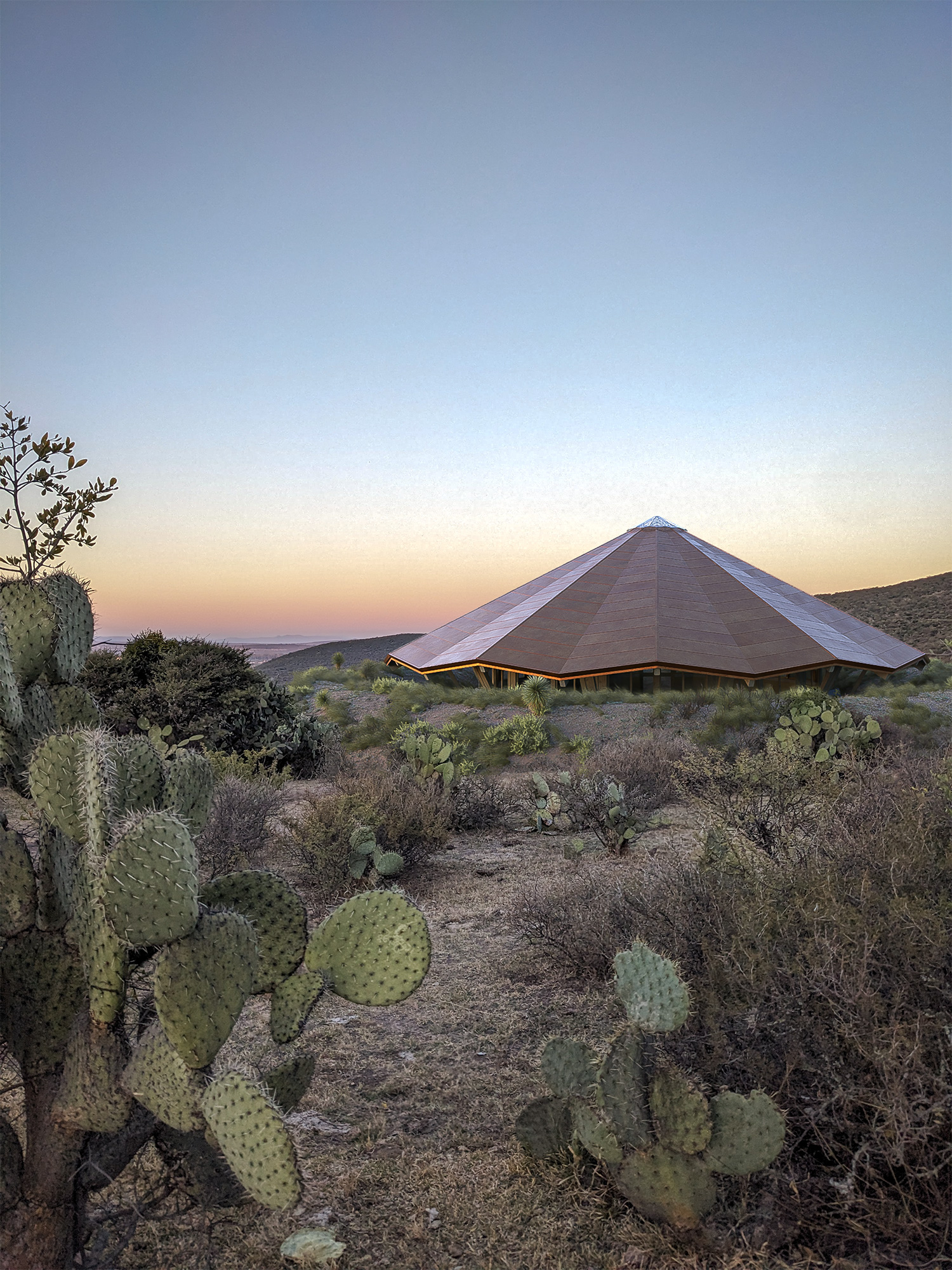
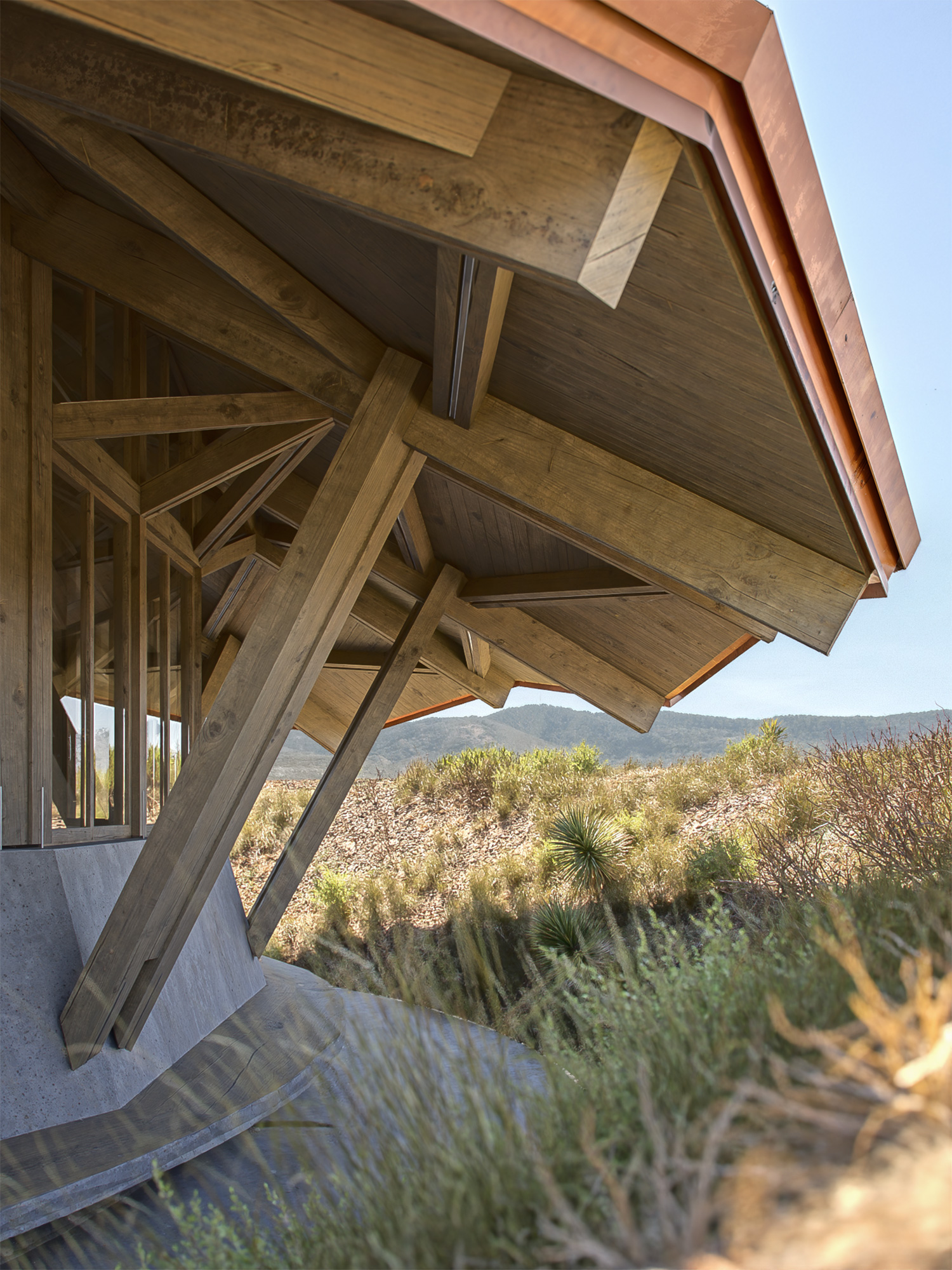
Built with handcrafted national pine wood, Shala is experienced as the interior of an instrument: an enclosure where geometry, material, and sound create an immersive atmosphere. The roof reinforces its sculptural character through a continuous rhythm of inclinations that activates the perception of the volume.
Shala is an architecture open to multiple forms of knowledge, introspection, and transformation. It is a space where geometric precision and spiritual experience converge, elevating the body, mind, and spirit through the built environment.
Credits
Architecture: Bernardo Quinzaños
Collaborators: Santiago Vélez, Begoña Manzano, Andrés Suárez, Victor Zuñiga.
Timber Structure: MICMAC.