
Villalpina
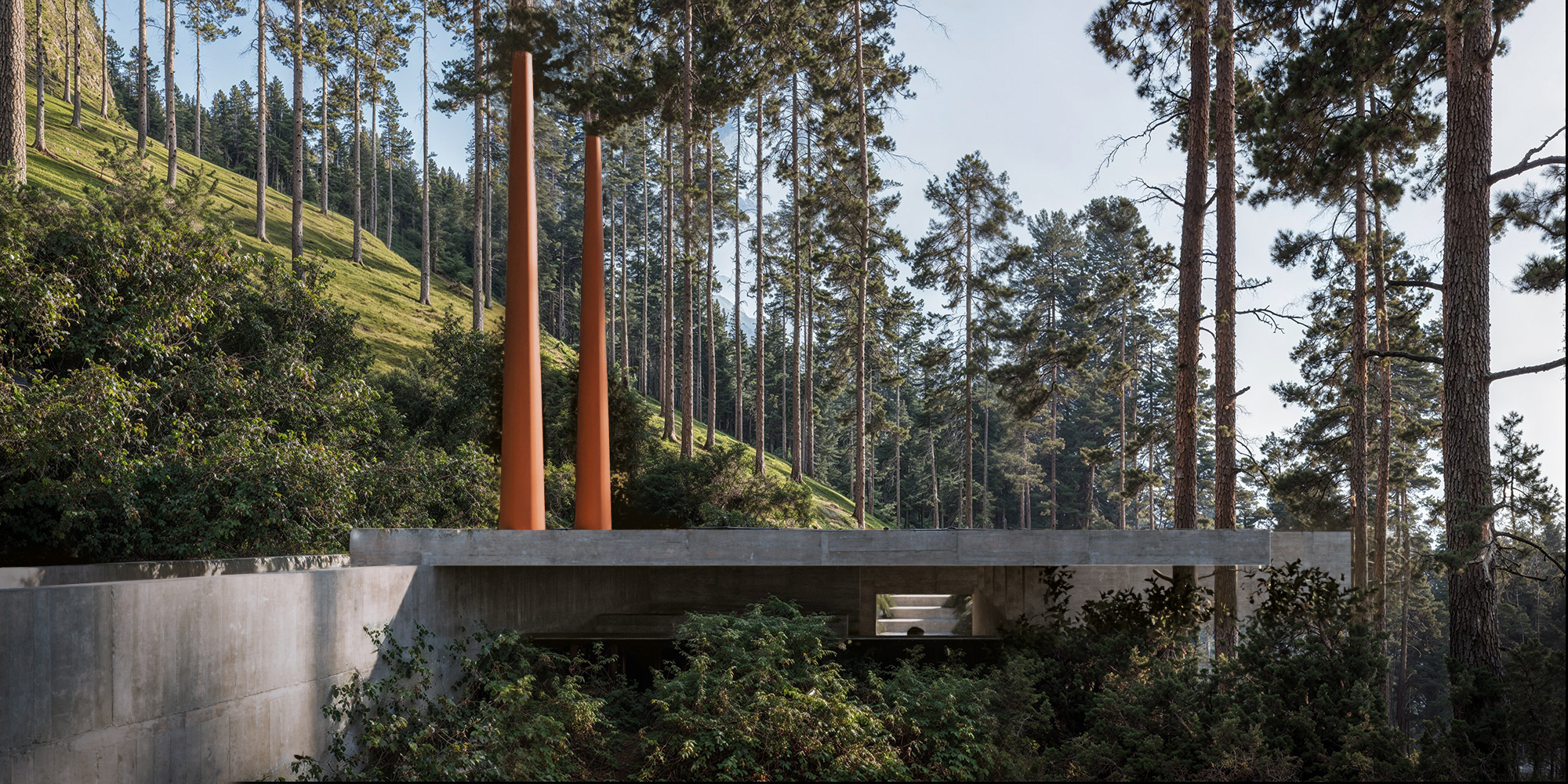
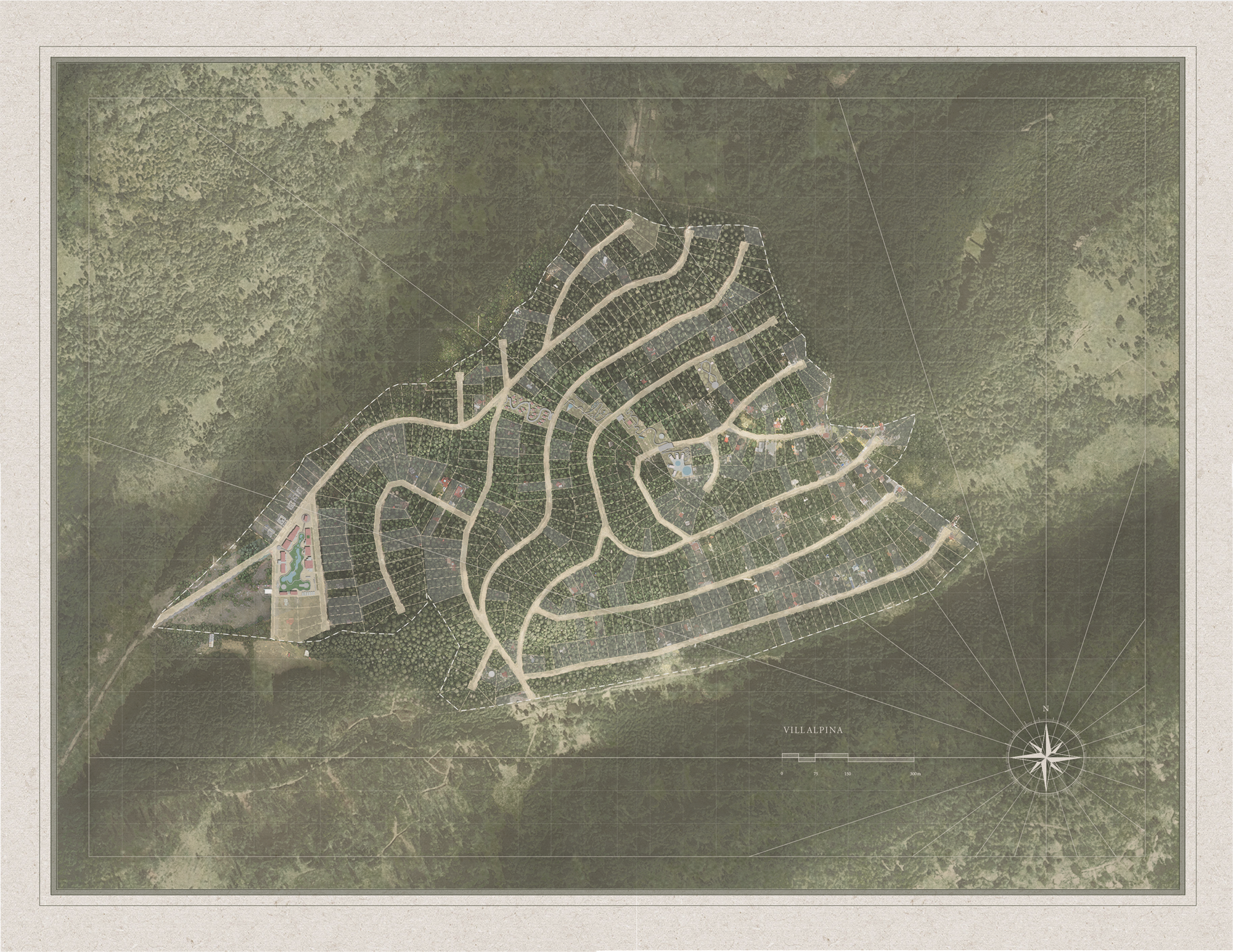
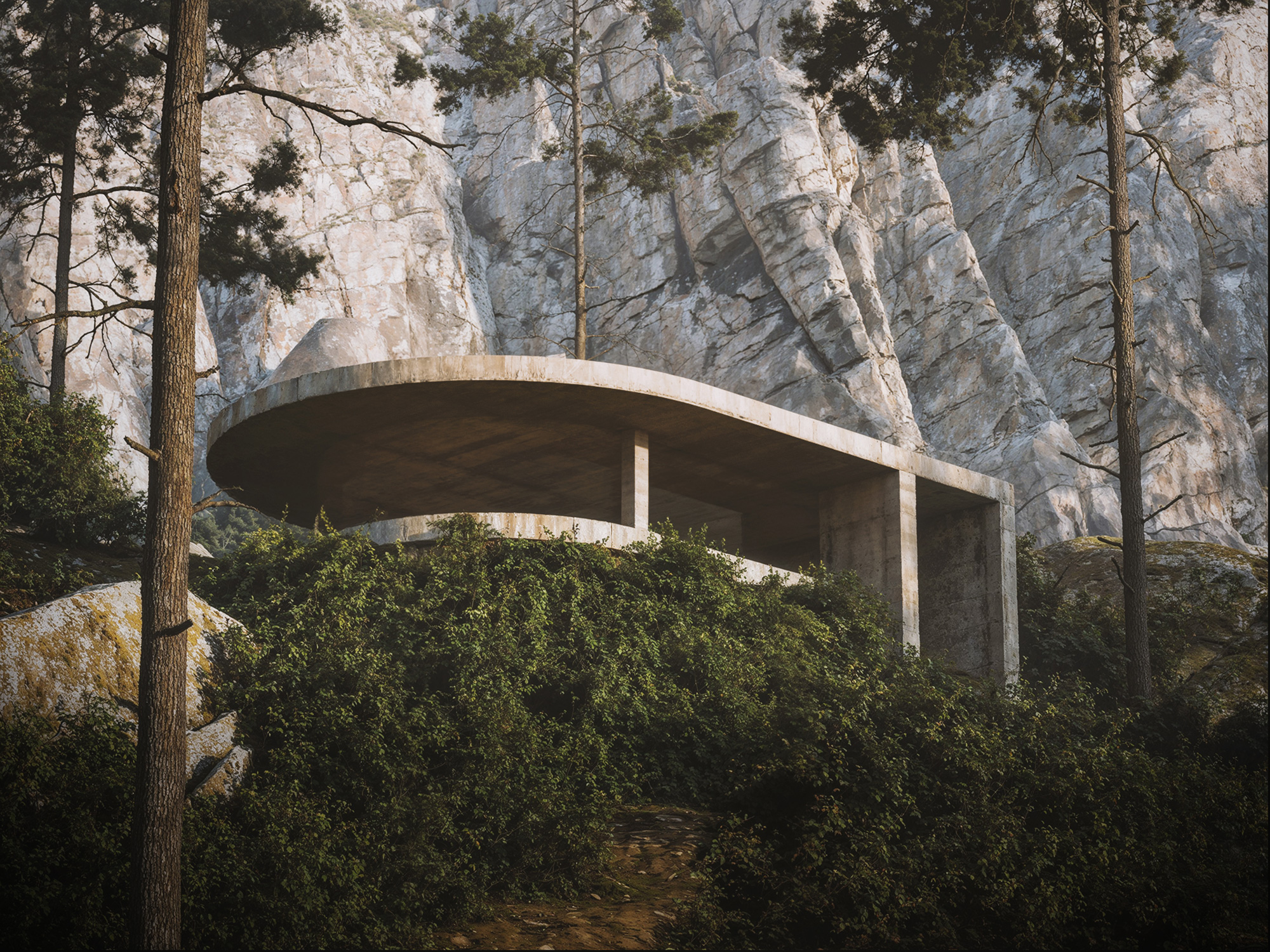
2025, NaucalpanVillalpina proposes a master plan organized around the site’s topography, forest clearings, and a network of paths that connect housing, landscape, and community life. The project is conceived as a residential community integrated into the mountain, where nature defines the scale, orientation, and everyday experience.
Located northwest of Mexico City, within a protected natural reserve with a temperate-to-cold climate, the site is characterized by coniferous trees, slopes, open views, and a forest atmosphere. The intervention begins by recognizing these conditions, guiding the growth of the development while maintaining a direct relationship with the territory.
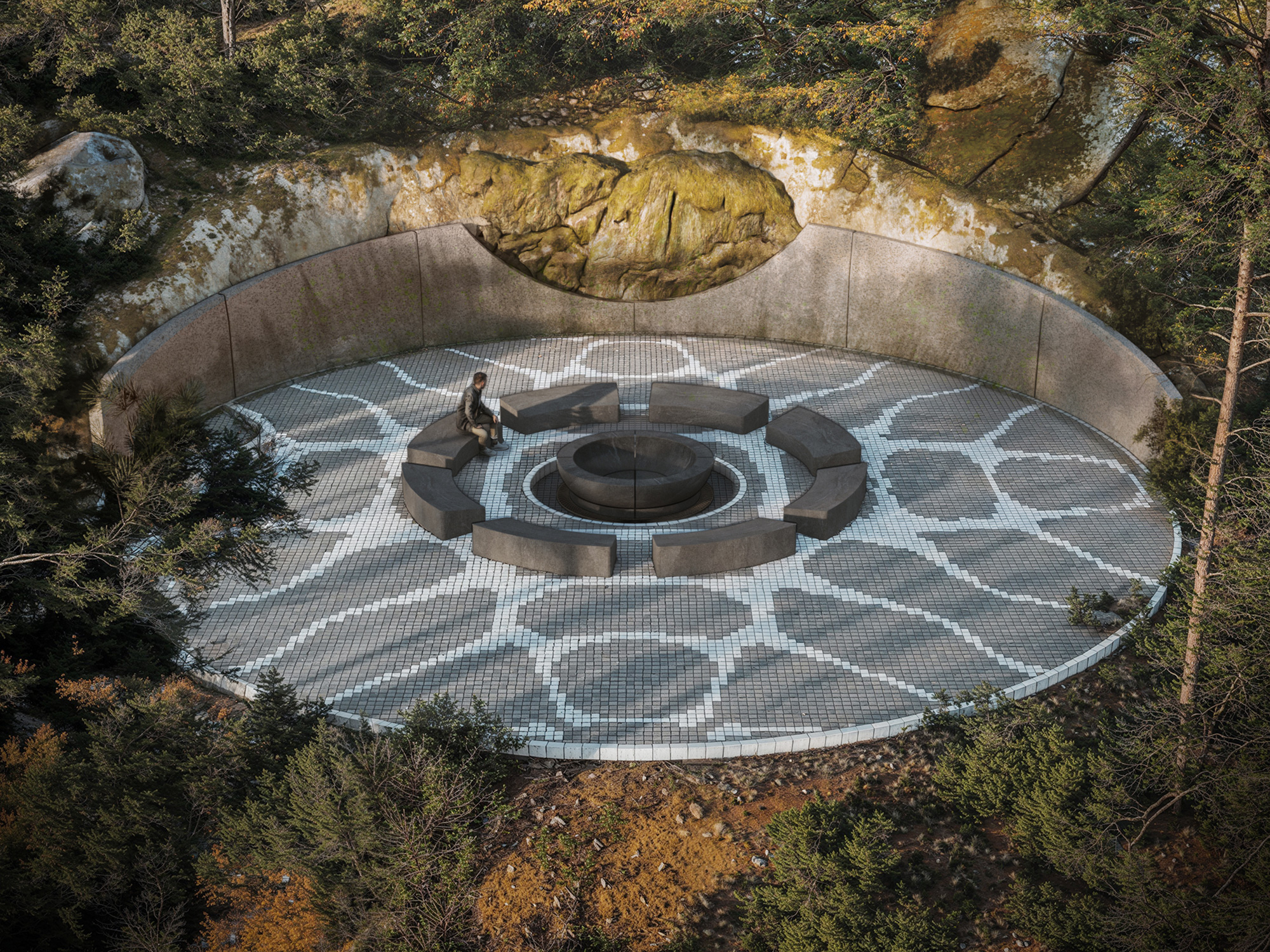
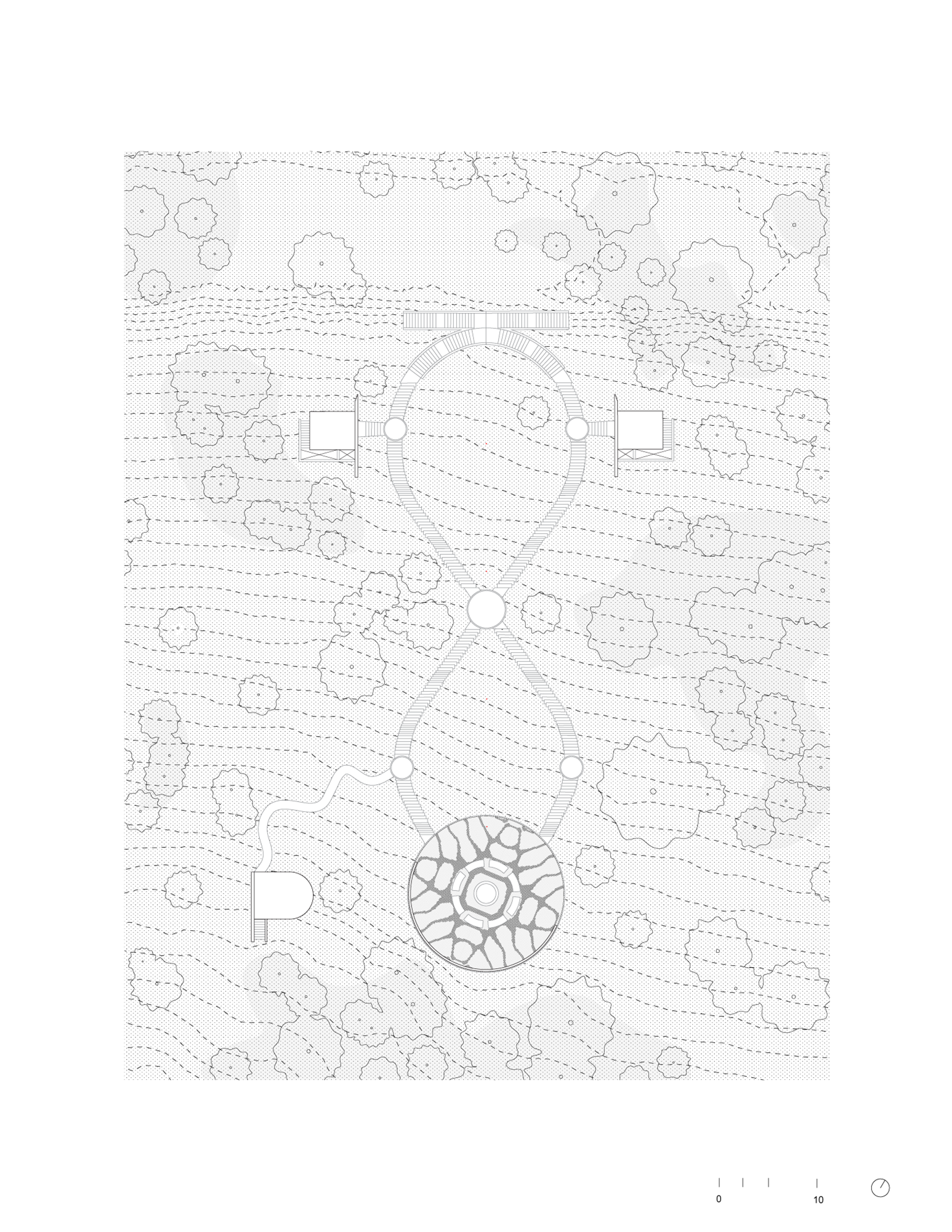
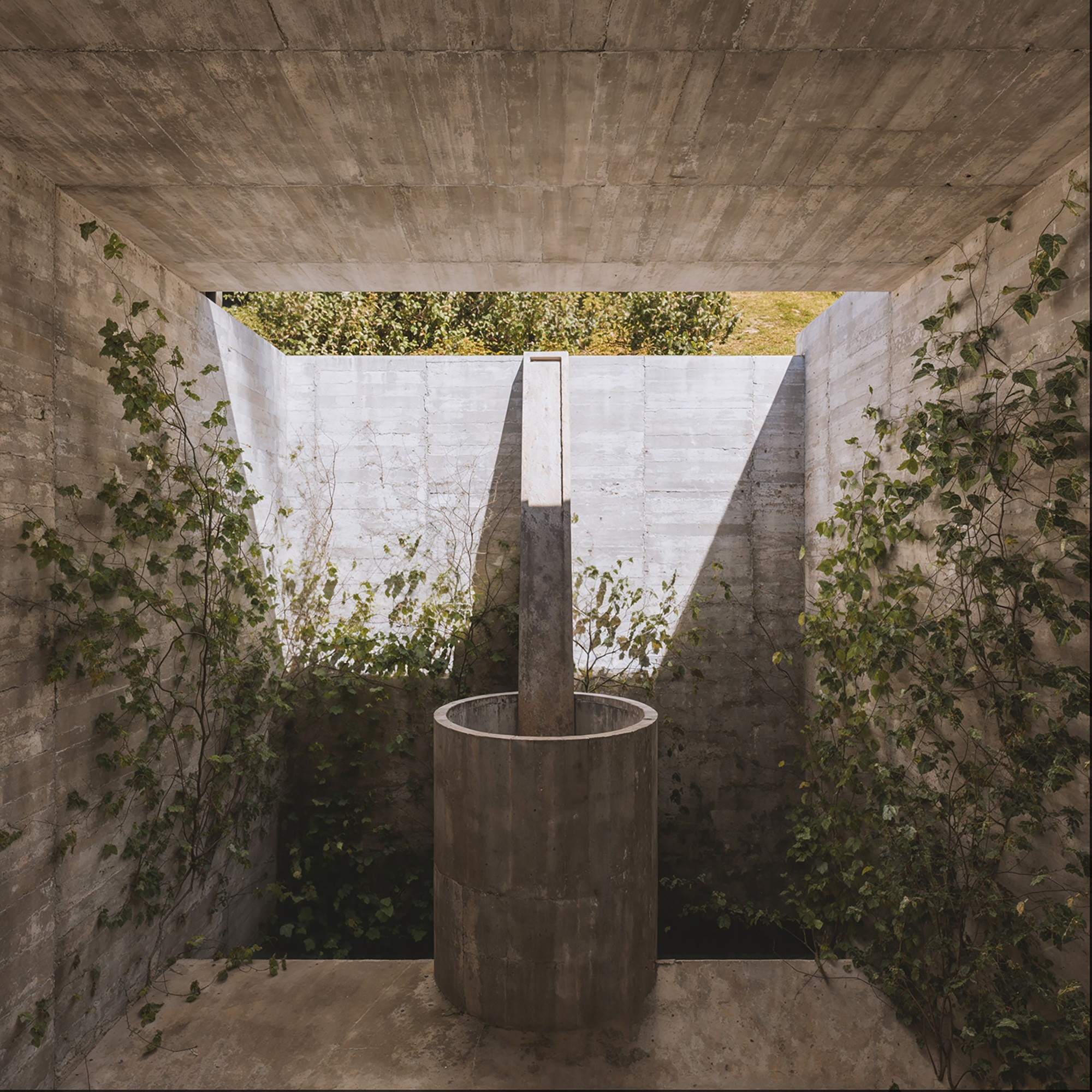
The master plan is structured through trails, existing roads, and shared-use nodes that appear dispersed throughout the landscape. It includes a productive and social core with vegetable gardens, a pond, a greenhouse restaurant, barns, and gathering spaces. These are complemented by recreational, sports, contemplation, and wellness areas, including cabins, workshops, meditation spaces, and natural trails. The architecture is conceived as a series of light and restrained pieces, designed to accompany the landscape without imposing on it

Credits
Architecture: Bernardo Quinzaños
Collaborators: Santiago Vélez, Begoña Manzano, Andrés Suárez, Juan Oltra, Carlos Molina, Pablo Ruiz